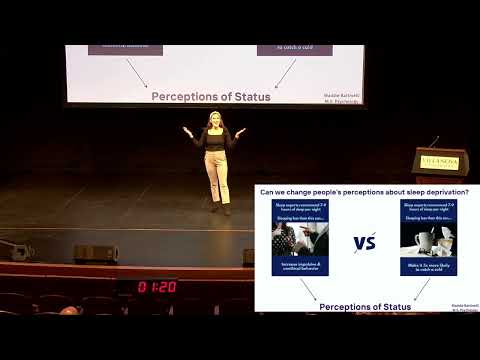
This study examines “status-striving sleep deprivation,” where lack of sleep signals status. It tests whether infographics can shift perceptions by highlighting work or health consequences. Findings aim to reduce glorification of sleep deprivation, challenge gendered interpretations, and promote healthier workplace norms, improving wellbeing and organizational effectiveness.
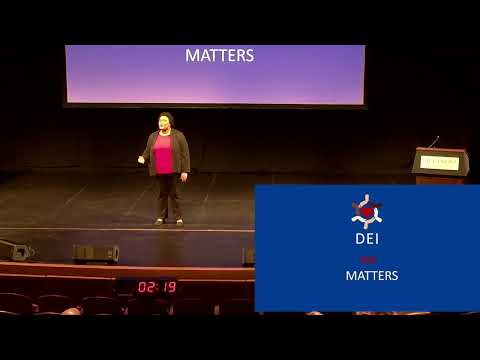
This study explores the challenges facing DEI practitioners amid rising political and organizational pressures. Interviews reveal widespread frustration but continued commitment, alongside burnout and lack of support. Findings highlight the need for standardized training, stronger professional communities, and collective engagement to sustain DEI efforts and ensure inclusive, supportive workplaces.
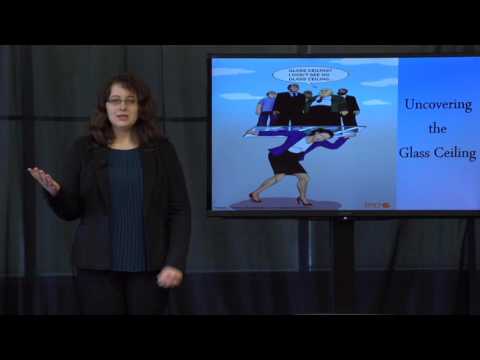
This research examines gender bias in leadership recognition. Despite evidence that women exhibit effective transformational leadership, male employees often undervalue female leaders. This bias affects promotion decisions, reinforcing the glass ceiling. The study highlights the need to address perception gaps to achieve genuine gender equality in senior leadership roles.
This talk explores emotional resistance to AI through a personal storytelling project. It argues that AI adoption is an adaptive challenge tied to identity, not just technology. Using Robert Kegan’s framework, it demonstrates how testing limiting beliefs can reduce resistance, emphasizing that successful AI integration depends on addressing human concerns about autonomy, competence, and connection.
This research shows that political polarization in the workplace reduces employee voice. Workers who feel politically misaligned—or mistreated due to their views—are more likely to stay silent, harming innovation and performance. Even small pockets of political fit can encourage speaking up and improve workplace outcomes.
Hospitals face growing workloads and staff burnout. This study tested simulation-based team training in hospital departments and found improved workplace culture and a 1% reduction in sick leave. Though small in percentage, this translated into nearly 10,000 working hours saved in one year, highlighting training as a powerful tool to support health care staff.