
Maternal undernutrition in rural Ethiopia remains highly prevalent at 38 percent. This thesis identifies key drivers including gender inequality, poor nutritional counseling, and cultural food taboos. Using human-centered design, a “couples forum” intervention was developed and validated, showing strong feasibility and cultural acceptability as a promising community-based solution.
2024
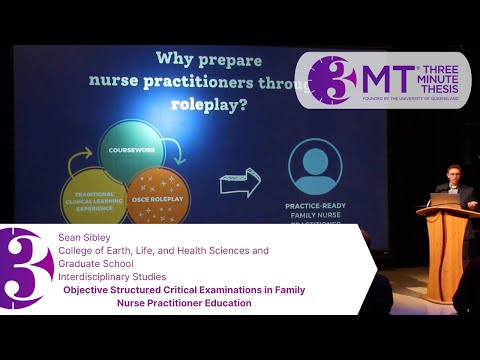
My research examines how OSCE (Objective Structured Clinical Examination) role-play simulations help prepare nurse-practitioner students for real-world primary care. Interviews with recent graduates show role plays build confidence, teach communication and clinical routines, and improve readiness for complex cases. Following best-practice guidelines enhances learning. Expanding these simulations could strengthen primary care, especially in underserved rural areas.