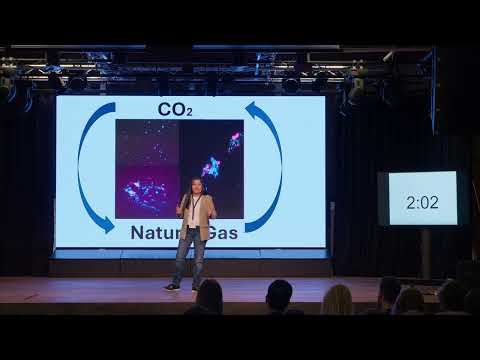
Deep-ocean microbes perform extraordinary chemistry in extreme environments. This research isolates archaea and bacteria that consume hydrocarbons and convert them into carbon dioxide through unique metabolic pathways. By visualizing and separating these organisms, the work reveals pathways that could be engineered to recycle greenhouse gases into clean biofuels, offering new tools against climate change.
This research investigates whether heat acclimation affects cold tolerance in soldiers. Participants undergo controlled cold exposure before and after intensive heat training. By measuring temperature regulation, sweating, and dexterity, the study aims to guide military deployment decisions and ensure soldiers can perform confidently across extreme environments.
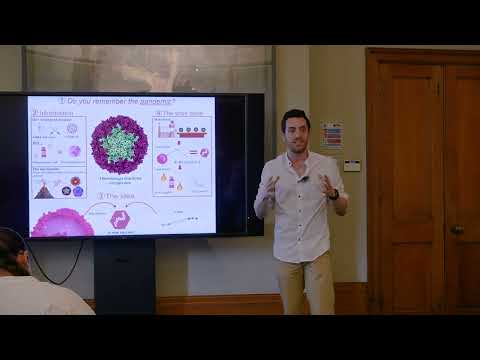
This research aims to solve the major weakness of mRNA vaccines—the need for constant cold storage—by packaging them inside ultra-stable protein “boxes” called encapsulins. These naturally robust containers protect mRNA in extreme environments. A working prototype now exists, offering the potential for globally distributable, freezer-free vaccines that remain effective anywhere.