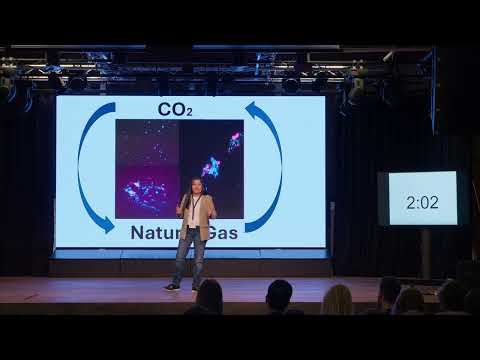
Deep-ocean microbes perform extraordinary chemistry in extreme environments. This research isolates archaea and bacteria that consume hydrocarbons and convert them into carbon dioxide through unique metabolic pathways. By visualizing and separating these organisms, the work reveals pathways that could be engineered to recycle greenhouse gases into clean biofuels, offering new tools against climate change.
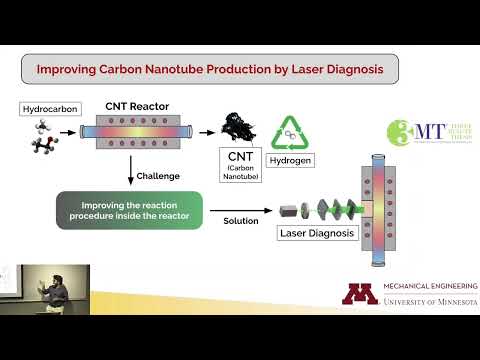
Hydrocarbons drive modern society but fuel climate change when burned. This research converts hydrocarbons into carbon nanotubes and clean hydrogen instead. Using laser diagnostics to probe reactors, it reveals how nanotubes form, enabling higher production rates, industrial decarbonization, and advanced materials for a sustainable, low-carbon energy future.
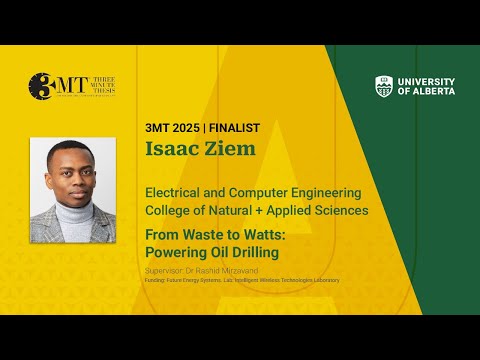
This research converts waste heat from high-temperature oil extraction into usable electrical energy. By designing circuits that withstand harsh underground conditions and amplifying low outputs, the system powers real-time monitoring devices along pipelines. The work pioneers sustainable energy harvesting where it has never succeeded before, reducing waste heat and contributing to climate solutions.