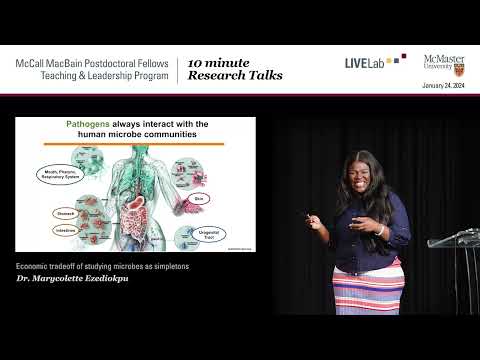
This research examines how microorganisms in maple sap influence the quality of maple syrup. By studying bacteria such as Pseudomonas and Duganella, the project explores how environmental factors like temperature and iron availability shape microbial interactions during the tapping season, ultimately affecting syrup flavor, color, and overall production.

This research develops synthetic communities of beneficial xylem-inhabiting bacteria to control olive vascular diseases caused by Verticillium dahliae and Xylella fastidiosa. Over 300 bacterial strains were screened for biocontrol traits, and compatible candidates were combined into effective communities. Preliminary plant trials show promising results for sustainable, microbiome-based disease management.

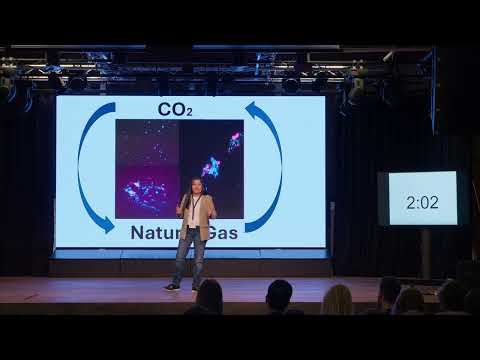
Deep-ocean microbes perform extraordinary chemistry in extreme environments. This research isolates archaea and bacteria that consume hydrocarbons and convert them into carbon dioxide through unique metabolic pathways. By visualizing and separating these organisms, the work reveals pathways that could be engineered to recycle greenhouse gases into clean biofuels, offering new tools against climate change.

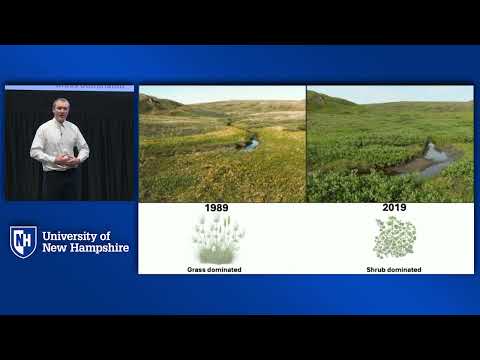
This research examines how shifts from grasses to shrubs in the Alaskan tundra alter root-associated microbial communities. Shrubs favor sugar-consuming microbes over soil organic matter decomposers, potentially reducing soil carbon loss. These plant–microbe interactions may help slow climate change by limiting greenhouse gas emissions.

This research examines how microbes in drinking water recover after UV disinfection. By adding nutrients to UV-treated samples and identifying microbes through DNA sequencing, the study tracks which organisms survive, regrow, and thrive over time. The goal is to improve treatment systems and ensure safer, more stable drinking water during distribution.