
This research develops sustainable solid biofuels using organic waste instead of food crops. By recycling water and catalysts in a high-temperature process, it reduces energy consumption and improves fuel quality. The work addresses key challenges of feedstock and efficiency, advancing environmentally friendly alternatives for heating, power generation, and industry.
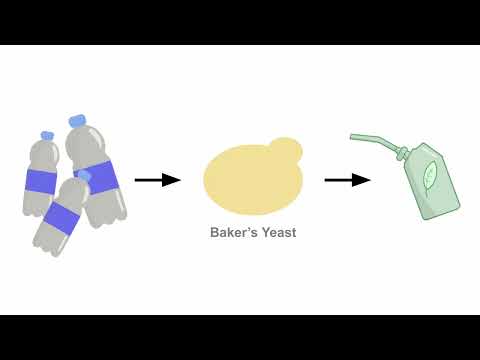
This research engineers yeast to convert PET plastic waste into valuable chemicals like PCA, enabling the production of biofuels, pharmaceuticals, and biodegradable materials. By transforming low-value plastic into high-value products, it offers a scalable biotechnological solution to reduce pollution and support the transition to sustainable, circular economies.
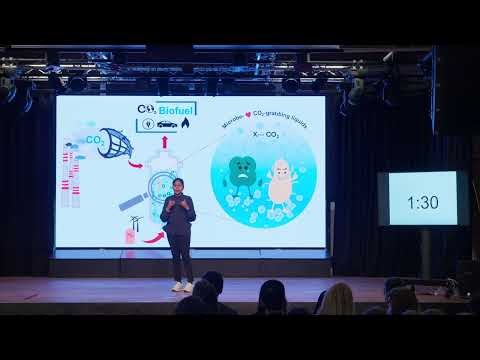
Current CO₂ capture methods are inefficient and harmful to microbes used for biofuel production. This research studies how CO₂-capturing liquids damage fuel-producing microbes and identifies tolerant strains. By understanding microbial responses at the genetic level, it aims to design microbe-friendly capture systems that convert carbon dioxide into useful fuels.
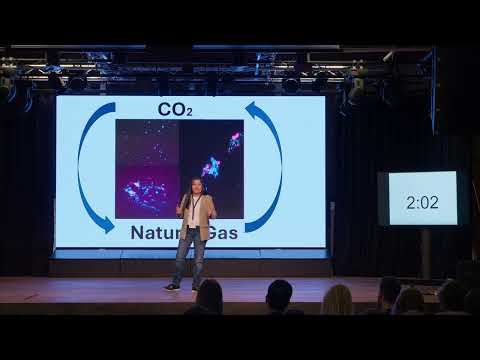
Deep-ocean microbes perform extraordinary chemistry in extreme environments. This research isolates archaea and bacteria that consume hydrocarbons and convert them into carbon dioxide through unique metabolic pathways. By visualizing and separating these organisms, the work reveals pathways that could be engineered to recycle greenhouse gases into clean biofuels, offering new tools against climate change.