
This research investigates how bacterial biofilms alter the mechanical properties of infected skin to improve microneedle-based drug delivery. By measuring tissue stiffness, structural integrity, and puncture resistance, it provides the evidence needed to design microneedles that can effectively penetrate biofilms, deliver antibiotics directly, and improve treatment of chronic wound infections.

2026
Antimicrobial resistance is driven partly by high antibiotic use in livestock. In pig production, early weaning causes gut infections that require antibiotic treatment. This research shows that feeding piglets specific dietary fibers improves gut microbes, promotes growth, and may reduce disease, offering a potential strategy to lower antibiotic use in agriculture.

2025
This research addresses antibiotic resistance by developing new compounds effective against Pseudomonas aeruginosa. Using engineered Streptomyces albus, it produces uridyl peptide antibiotics with a triple-target mechanism that reduces resistance risk. The work focuses on purification and chemical optimization to create more effective, clinically viable antibiotics for future infections.
2025
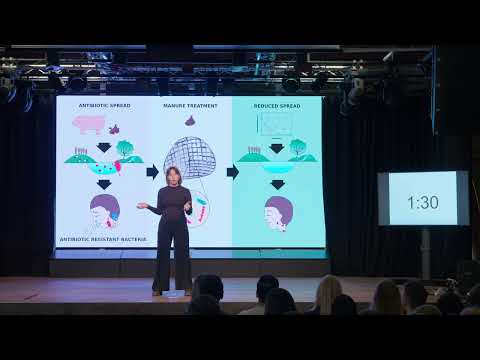
Antibiotic resistance is fueled by antibiotics released into the environment through animal manure. This research shows that aerobic biofilm carrier reactors can degrade up to 92% of antibiotics in manure. Improved manure treatment can reduce environmental reservoirs of resistance and help preserve antibiotics as effective treatments for bacterial infections.
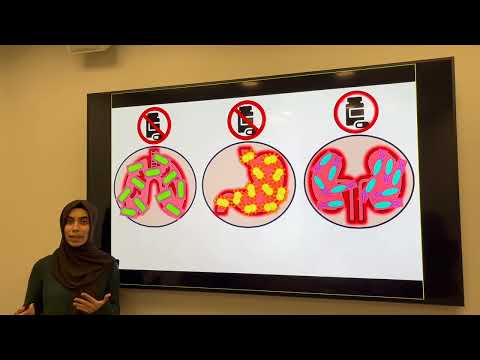
This research investigates how bacteria develop resistance to antibiotics, a growing global health threat. By identifying resistant bacteria and analysing how they chemically modify antibiotics, the work aims to uncover resistance mechanisms. These insights are essential for preserving antibiotic effectiveness and safeguarding treatments against life-threatening infections.

This research investigates how MRSA loses its antibiotic resistance by shedding the SCCmec genetic element. Environmental stressors such as heat and dryness increase this vulnerability, while antibiotics alone reinforce resistance. Understanding these mechanisms could enable new strategies to reverse resistance and improve treatment options for life-threatening MRSA infections.

This research searches for new antibiotics in deep-sea sponge bacteria that have evolved for 580 million years to defend their hosts. By growing these never-before-seen microbes and testing them against superbugs like MRSA, the project aims to discover urgently needed antibiotics to combat rising antimicrobial resistance.

This research develops a PET material coated with nature-inspired nano-spikes that kill bacteria on contact. By preventing infections on medical devices, the technology can reduce antibiotic use and slow the rise of superbugs. The nano-spikes puncture bacterial cell walls, stopping movement, division, and ultimately causing cell rupture.