Antimicrobial resistance is driven partly by high antibiotic use in livestock. In pig production, early weaning causes gut infections that require antibiotic treatment. This research shows that feeding piglets specific dietary fibers improves gut microbes, promotes growth, and may reduce disease, offering a potential strategy to lower antibiotic use in agriculture.
Agricultural fertilizers help increase food production but also release nitrous oxide, a greenhouse gas nearly 300 times more potent than carbon dioxide. This research investigates conservation agriculture practices that support beneficial soil microbes capable of reducing these emissions, enabling sustainable food production while limiting agriculture’s contribution to climate change.
This project uses prescribed grazing to manage invasive vegetation and reduce wildfire risk in California. Grazing mimics natural disturbances, lowers hazardous fuels, improves soil health, and supports native biodiversity. The LandSmart Grazing Program funds landowners, builds infrastructure, educates communities, and strengthens local economies through sustainable, landscape-scale vegetation management.
This research develops synthetic communities of beneficial xylem-inhabiting bacteria to control olive vascular diseases caused by Verticillium dahliae and Xylella fastidiosa. Over 300 bacterial strains were screened for biocontrol traits, and compatible candidates were combined into effective communities. Preliminary plant trials show promising results for sustainable, microbiome-based disease management.
This research examines whether long-term organic soil management improves climate resilience. Using a 27-year field experiment, the study shows that compost and manure significantly improve soil structure, reduce compaction, and increase water retention. Results demonstrate that sustained organic practices can transform fragile soils into resilient systems for future food security.
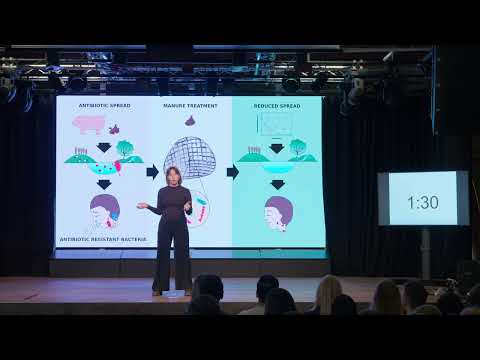
Antibiotic resistance is fueled by antibiotics released into the environment through animal manure. This research shows that aerobic biofilm carrier reactors can degrade up to 92% of antibiotics in manure. Improved manure treatment can reduce environmental reservoirs of resistance and help preserve antibiotics as effective treatments for bacterial infections.
This research uses purple bacteria to treat dairy wastewater, removing nitrogen and phosphorus while producing nutrient-rich biomass. The process reduces pollution and transforms waste into potential biofertilizer, offering a sustainable alternative to chemical fertilizers and a circular solution for dairy farming and agriculture.
This research evaluates hydroponic farming as a sustainable food production strategy. By combining interviews, environmental modeling, and economic simulations, it compares hydroponic and conventional agriculture, finding reduced water use but higher energy demands. The work identifies conditions under which hydroponics can support farmers, communities, and environmental goals.
This research quantifies plastic use in U.S. agriculture, revealing 1.6 million metric tons used annually across crops and products. By identifying major sources and challenges to recycling, the work aims to guide sustainable alternatives, reuse, and recycling strategies that balance environmental, economic, and social needs in farming.
This research tackles nitrous oxide emissions from agricultural soils, a major driver of global warming. By modifying manure application practices—mixing manure into soil or adding biochar—the study enhances soil microbes that consume nitrous oxide, reducing emissions by 60–70% through improved microbial balance and reduced gas escape.
Pagination
- Page 1
- Next page