This research develops reliable AI-powered drone systems to support New Zealand’s Predator Free 2050 initiative. By improving neural network calibration, uncertainty estimation, and robustness in challenging real-world conditions, the project aims to accurately detect invasive predators and better protect endangered native bird species.

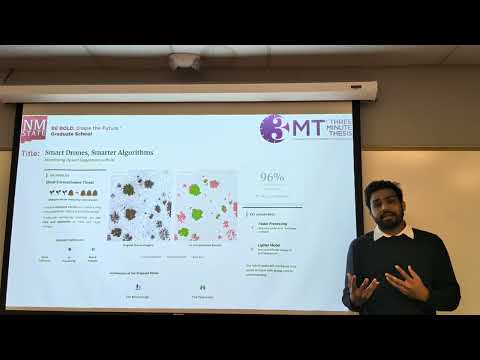
This research uses drone imagery and a hybrid AI model to classify rangeland cover as green vegetation, dead vegetation, or bare soil. Combining two neural network approaches achieved 96% accuracy while requiring only simple, low-cost sensors. The method enables fast, large-scale monitoring to combat invasive shrubs and support sustainable land management.

Feathers and blood preserve detailed biological records of Tītī stress, diet, and environment across both New Zealand and the North Pacific. By analysing hormones and stable isotopes in modern and historical samples, this research reveals how climate change affects Tītī populations and identifies which groups are most vulnerable, guiding future conservation efforts.