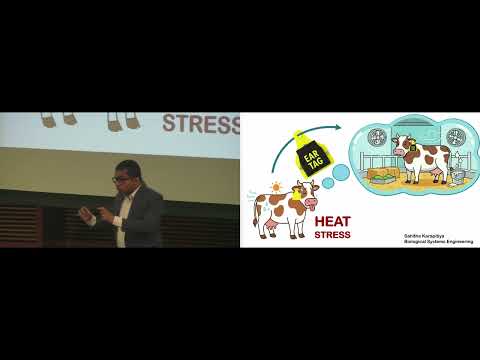
This research introduces an ultra-wideband tracking system to detect heat stress in dairy cows through behavior monitoring. By analyzing movement patterns with 98% accuracy, it enables early intervention and targeted cooling. The solution improves animal welfare, boosts milk production, and helps farmers manage labor and efficiency challenges in modern dairy farming.
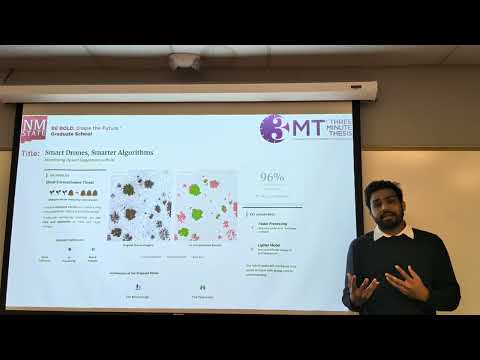
This research uses drone imagery and a hybrid AI model to classify rangeland cover as green vegetation, dead vegetation, or bare soil. Combining two neural network approaches achieved 96% accuracy while requiring only simple, low-cost sensors. The method enables fast, large-scale monitoring to combat invasive shrubs and support sustainable land management.

2026
This study explored whether satellite remote sensing can estimate black truffle mycelium biomass. Optical vegetation indices showed limited results, while Sentinel-1 radar backscatter had significant correlations, especially in spring. Findings suggest radar data capture soil moisture dynamics linked to fungal activity, offering a promising tool for sustainable truffle orchard management.
2025
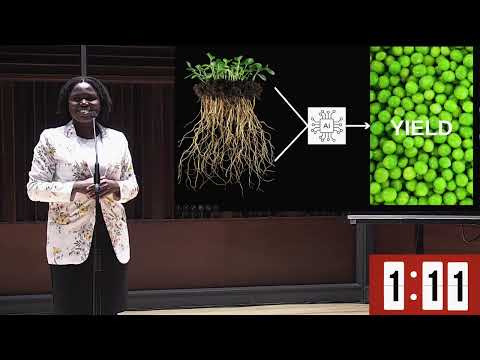
My research uses field images to predict crop yield, leveraging machine learning techniques to extract patterns and features correlating yield. These features include plant health indicators, growth stages, or canopy coverage. I am particularly interested in using these features to develop models that improve the accuracy of yield prediction, helping farmers make data-driven decisions. My approach considers temporal changes in the crop, capturing how its characteristics evolve. My work contributes to precision agriculture, a field that seeks to optimize resource use, increase productivity, and promote sustainability in farming. My research has the potential to transform traditional agricultural practices by integrating advanced AI methods.
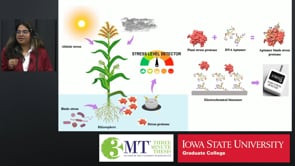
Corn crops often suffer hidden stress long before visible damage appears. This research develops DNA aptamer-based biosensors that detect early stress signals in maize soil. By providing real-time alerts, the system enables faster intervention, improving crop resilience, farm productivity, and long-term food security.