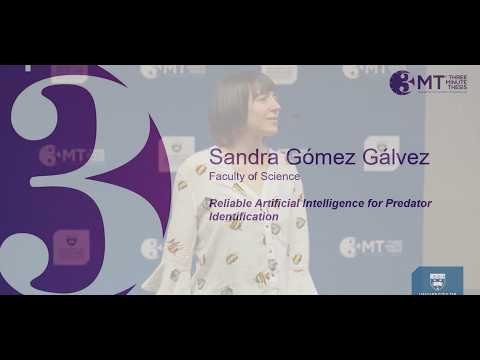
This research develops reliable AI-powered drone systems to support New Zealand’s Predator Free 2050 initiative. By improving neural network calibration, uncertainty estimation, and robustness in challenging real-world conditions, the project aims to accurately detect invasive predators and better protect endangered native bird species.
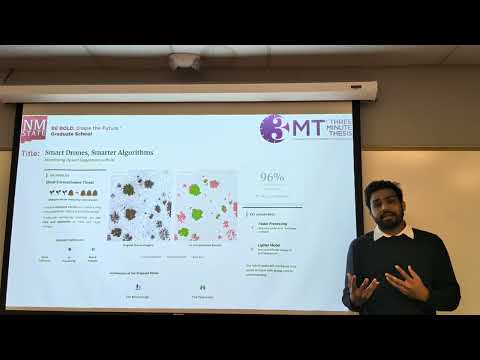
This research uses drone imagery and a hybrid AI model to classify rangeland cover as green vegetation, dead vegetation, or bare soil. Combining two neural network approaches achieved 96% accuracy while requiring only simple, low-cost sensors. The method enables fast, large-scale monitoring to combat invasive shrubs and support sustainable land management.
This project uses prescribed grazing to manage invasive vegetation and reduce wildfire risk in California. Grazing mimics natural disturbances, lowers hazardous fuels, improves soil health, and supports native biodiversity. The LandSmart Grazing Program funds landowners, builds infrastructure, educates communities, and strengthens local economies through sustainable, landscape-scale vegetation management.

Toxoplasma gondii is a widespread parasite introduced to New Zealand via cats and increasingly threatens native wildlife. This research conducts the first national survey of toxoplasmosis in native birds, identifying infection prevalence, affected organs, and ecological risk factors to better understand its impact on biodiversity.

Eastern red cedar is an invasive species causing ecological and economic damage across Oklahoma. This research develops an economic decision-support model to transform cedar into valuable products by optimizing supply chains, reducing risk for investors, and supporting sustainable industry development that benefits the state economy.

2025
This research uses helicopter surveys to study javelina habitat use in South Texas. By mapping sightings and woody vegetation cover, it reveals that javelinas prefer dense thornscrub environments. The findings support improved wildlife management and help distinguish native javelinas from invasive wild pigs.
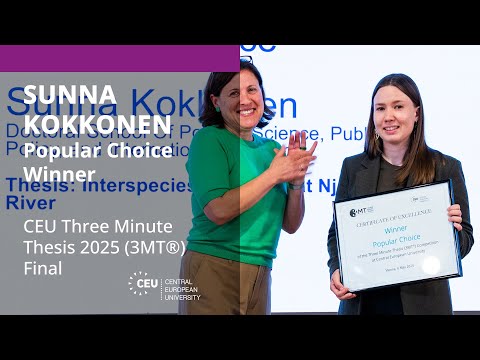
My research argues that fish possess political agency and examines how ecological changes on the Arctic Njauddâm River shape human decision-making. By observing invasive pink salmon, collapsing Atlantic salmon populations, and cross-border tensions, the study challenges traditional views of politics and highlights how nonhumans actively shape political processes.