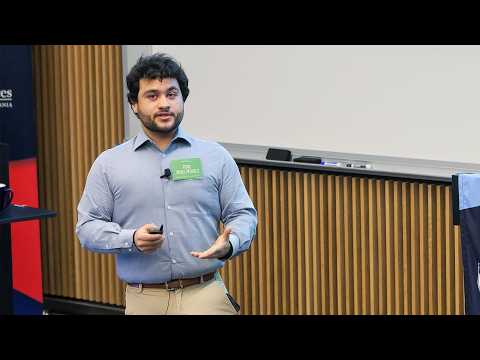
This research addresses plastic waste by rethinking polyethylene recycling. Instead of breaking polymers down, it explores chemical upcycling—adding functional groups to create higher-value materials. By transforming waste into useful products, this approach aims to enable a circular plastics economy, reduce pollution, and provide sustainable alternatives to current inefficient recycling methods.
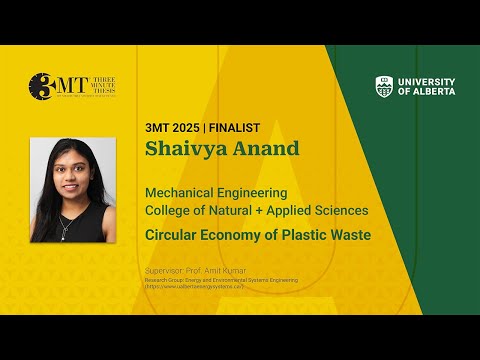
This research explores chemical recycling, a process that breaks mixed plastic waste into molecular components and converts them back into high-quality plastic. The method reduces energy use and emissions, enabling a circular plastic economy. The goal is a sustainable, economically viable system that shifts responsibility across communities rather than individuals.
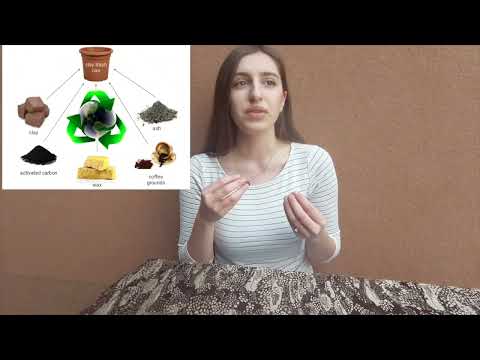
This project develops an odor-absorbing, environmentally friendly garbage bin made from clay, beeswax, and activated carbon. The porous carbon layer captures unpleasant smells, slowing detectable decomposition compared to standard bins. Future work will test waste-derived additives and create new sustainable containers to promote selective waste collection and environmental awareness.