
This research investigates how the structure of comb polymers influences their ability to stabilize materials in applications ranging from fragrances and food products to wastewater treatment and drug delivery. By systematically modifying polymer architecture, the study identifies design rules that enable more effective, affordable, and targeted performance across diverse industrial and medical uses.
2026
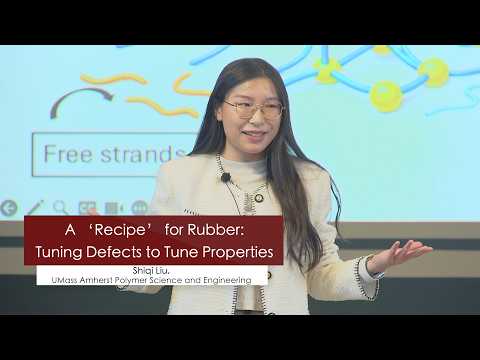
This research investigates how microscopic structural defects affect the performance of rubber materials. By creating nearly defect-free polymer networks and introducing controlled flaws individually, the work isolates how each defect changes material behavior. The findings could improve the design of stronger, safer, and more reliable rubber products used across industry and medicine.

2025
This research develops a new chemical process for modifying cellulose while keeping it in water, overcoming longstanding compatibility problems between cellulose and oil-soluble molecules. The method enables cellulose to incorporate electronic and pharmaceutical components, opening pathways toward sustainable electronics, advanced materials, targeted medicines, and greener technologies based on renewable natural resources.
2026
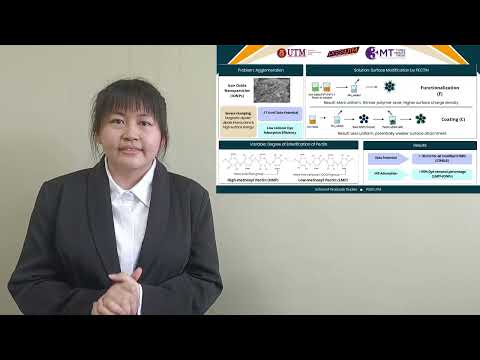
This research improves iron oxide nanoparticles for pollutant removal by addressing aggregation issues. Using pectin surface modification, particularly low methoxyl pectin via functionalization, enhances stability and adsorption efficiency. The modified nanoparticles achieve up to 95% methylene blue removal, demonstrating a significant improvement for environmental remediation applications.

2026
This research addresses plastic waste by rethinking polyethylene recycling. Instead of breaking polymers down, it explores chemical upcycling—adding functional groups to create higher-value materials. By transforming waste into useful products, this approach aims to enable a circular plastics economy, reduce pollution, and provide sustainable alternatives to current inefficient recycling methods.

2025
Over 11 million U.S. homes rely on toxic lead pipes. Bioderived polyethylene offers a safer replacement, but long-term durability must be ensured. This research studies how chlorine degrades pipe materials and how molecular branching improves resilience. Accelerated aging tests link polymer structure to performance, guiding design of longer-lasting, reliable water infrastructure.

My research develops smart polymer wound dressings that detect infections in chronic wounds through a visible color change. By providing immediate, non-invasive alerts, these materials enable faster treatment, reduce hospitalizations and amputations, and improve outcomes for people with diabetes and chronic wound conditions.