Hip dysplasia is often diagnosed too late or too inconsistently, leading to lifelong pain. The speaker’s research builds the first open-access AI tool for detecting and studying the condition, enabling portable automated diagnosis and global collaboration. By sharing tools instead of guessing, researchers can reduce unnecessary surgeries and improve outcomes worldwide.
Athabasca tailings ponds contain over 1.2 trillion litres of toxic wastewater that grows daily. Conventional drying is slow and inefficient, so this research team developed a solar-heated cotton-layer device that accelerates evaporation by 400%. Their goal is to reclaim the contaminated land by rapidly reducing tailings volume.
Prion diseases like CJD are extremely hard to detect early because harmful prions resemble normal brain proteins. This research introduces a new “flashbody” detection tool that binds only disease-causing prions, providing rapid, accurate, equipment-free diagnosis. Early lab results and patient-screening trials are promising, with potential applications to Alzheimer’s and other dementias.
This research tackles Canada’s massive meat-by-product waste by repurposing highly nutritious organs into sustainable, functional food products. Through consumer surveys, protein extraction, and product development, the project aims to shift discarded by-products into valuable ingredients, reducing waste, improving sustainability, and opening new market opportunities for the food industry.

This research challenges traditional views of Hellenism as a one-way imposition of Greek culture after Alexander’s conquests. Using ancient sources, it shows that indigenous populations actively selected, adapted, and blended Greek ideas with their own traditions, maintaining significant autonomy and shaping hybrid political and cultural systems that developed long after Alexander’s death.
2025
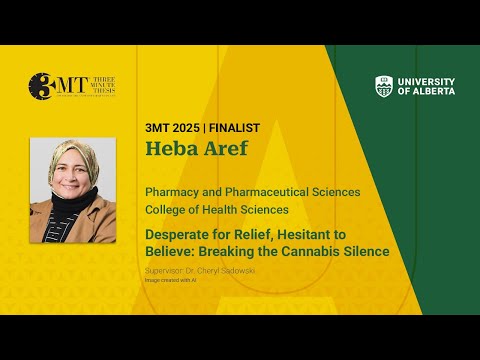
Older adults with severe joint pain often consider cannabis, yet receive little guidance from physicians who lack reliable evidence. This silence pushes patients toward unregulated products and poor medical decisions. The research develops a user-friendly cannabis decision-support tool to empower patients, support clinicians, and enable informed, safe conversations about cannabis use.
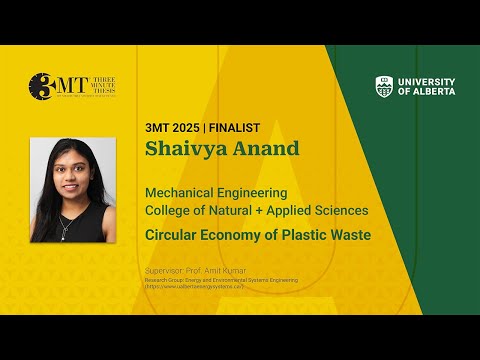
This research explores chemical recycling, a process that breaks mixed plastic waste into molecular components and converts them back into high-quality plastic. The method reduces energy use and emissions, enabling a circular plastic economy. The goal is a sustainable, economically viable system that shifts responsibility across communities rather than individuals.
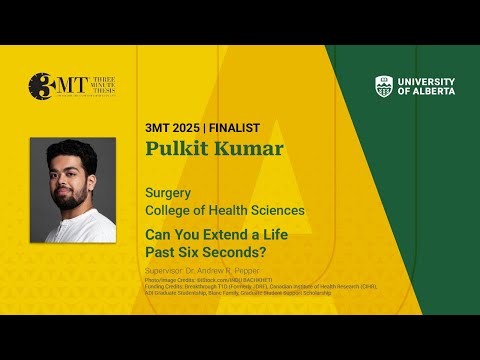
Type 1 diabetes destroys insulin-producing cells, leaving patients dependent on lifelong injections. Islet transplants could provide freedom, but most cells die quickly. This research uses drug-loaded microparticles that protect transplanted islets, boosting survival, insulin production, and diabetes reversal. The approach could cut costs, reduce donor needs, and transform treatment for multiple diseases.
2025
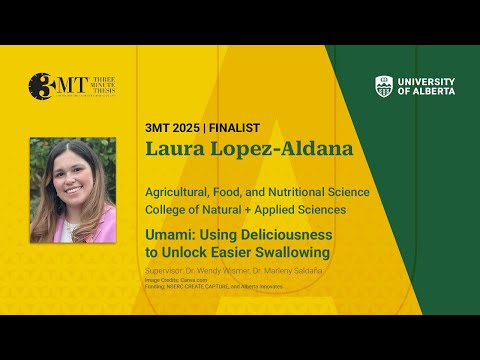
Umami, the savory fifth taste, can significantly increase saliva production and stimulate the swallowing reflex, offering potential benefits for people with dysphagia. In a study of 70 participants, foods high in umami boosted salivation, swallowing ease, and enjoyment. This research highlights umami’s promise for improving safety and pleasure in eating.
Athabasca tailings wastewater spans over 1.2 trillion litres, growing daily and damaging ecosystems. Current evaporation methods are slow and costly. This research introduces a simple, low-cost device using cotton towels and solar-heated thin-layer evaporation, increasing evaporation by 400%. The approach could help reclaim contaminated land and restore natural habitats.