This research examines whether integrating yoga into university curricula can improve student well-being and academic success. Through a credit-bearing freshman seminar combining yoga practice, meditation, and coursework, the study evaluates changes in holistic well-being and academic performance, aiming to address the growing mental and physical health challenges facing students.
This research investigates whether blood flow restriction training can improve postpartum recovery by enhancing the benefits of everyday activities. By integrating low-intensity exercise into routine childcare, household tasks, and walking, the study aims to increase strength, endurance, and well-being while reducing pain and fatigue in new mothers.
2014
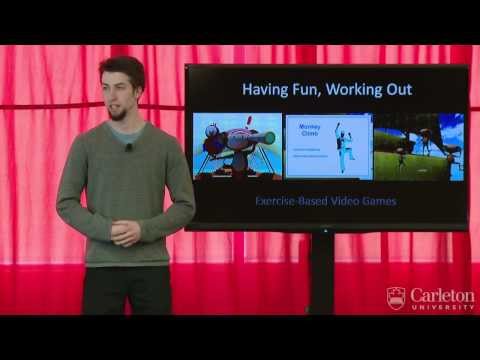
This research explores exergames that combine gaming and exercise to improve fitness. By integrating adaptive difficulty, full-body motion, and narrative storytelling, it aims to create experiences that are both engaging and physically effective. The goal is to motivate sustained exercise by making workouts enjoyable and personalized through game design.
This research examines whether reducing food insecurity increases physical activity among adults with high blood pressure. Using clinical trial data and interviews, it finds that coaching, physical function, and food access shape activity levels. Addressing food insecurity and physical activity together is essential for promoting equitable, heart-healthy lifestyles.
2025
This PhD develops and evaluates an intergenerational dance program to address age-based social division. Through reviews, co-design, and pilot testing, it shows dance can reduce ageism and foster connection. A forthcoming feasibility trial will assess impacts on physical activity, social connection, and inclusion.
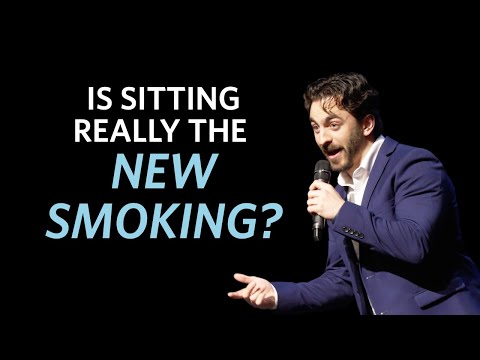
This research examines how “sitting is the new smoking” headlines affect people with spinal cord injury. Interviews revealed these messages are harmful and exclusionary. Reframing sedentary behavior as low energy expenditure, rather than sitting itself, improves understanding. The work promotes inclusive, evidence-based public health communication.
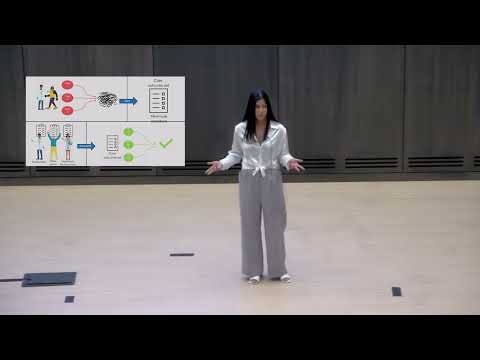
This research creates a core outcome set for clinical trials of physical activity in older adults. Because trials currently measure inconsistent outcomes, evidence cannot be easily combined. Using a multi-round expert and stakeholder survey, the project will establish essential outcomes to reduce research waste, improve knowledge synthesis, and strengthen healthcare decisions.