2026
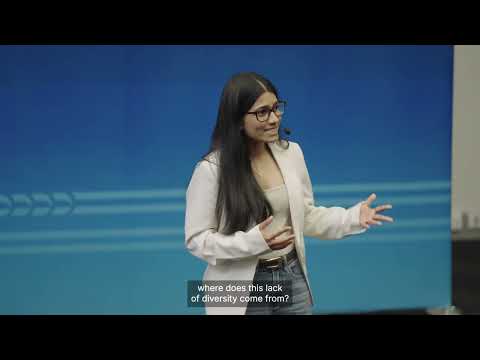
This research investigates cognitive diversity in software engineering. Through eye-tracking and think-aloud studies, it shows that engineers approach problems differently, while existing software tools often favour particular thinking styles. Designing more inclusive tools could improve performance, broaden participation in decision-making, and reduce unintended bias in the technologies we build.