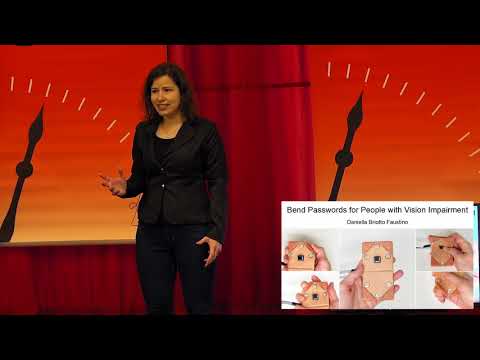
This research addresses password accessibility challenges for people with vision impairment. It examines current difficulties and introduces “bend passwords,” a tactile input method using flexible devices. Early findings suggest they are secure and memorable. The work aims to develop inclusive authentication systems that improve digital security and usability for visually impaired users.

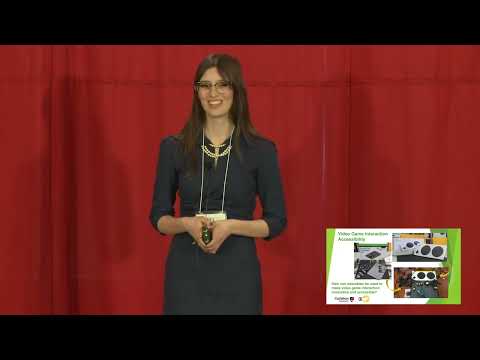
This research explores how wearable technology can improve video game accessibility for players with upper limb disabilities. Through interviews, it develops design guidelines emphasizing flexibility, independence, and modularity. The project aims to build and test prototypes, advancing inclusive gaming design and ensuring disabled players are better represented in interactive technology development.

his research develops a classification system for wheelchair navigation based on surface difficulty, inspired by ski trail ratings. By measuring vibration and effort across urban environments, it aims to provide users with actionable information to support safer route choices, reduce injury risk, and improve independence and accessibility in everyday mobility.

This research develops a universal writing system for sign languages, enabling Deaf communities to record and edit stories in their own languages. The system combines handwritten simplicity with digital notation, capturing facial expression, body movement, and spatial structure to reflect the full linguistic richness and visual complexity of signed communication.

Digital health expanded during COVID-19, but many services exclude people seeking support for alcohol and drug use. This research uses inclusive design, interviews, and workshops with people with lived experience to identify barriers, reduce stigma, improve usability, and guide industry toward creating accessible, equitable digital care for all.