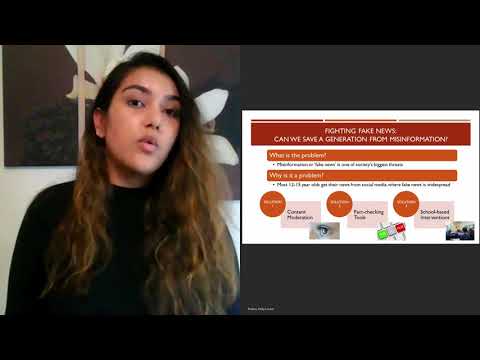
My thesis examines how “bad actors” manipulate information and undermine knowledge through monitoring, adjusting, and restructuring people’s trust networks. By grounding theory in real-world examples, the research shows how misinformation exploits vulnerability and argues that understanding these tactics is essential to protecting autonomy and resisting manipulation.
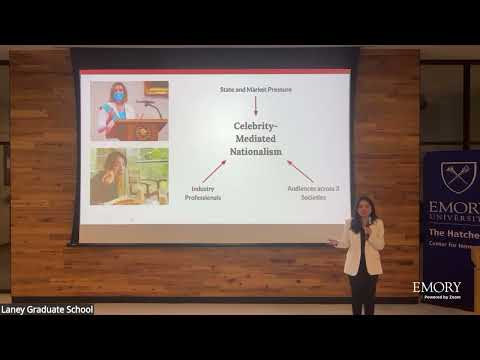
The speaker revisits the 1912 Marconi insider-trading scandal, showing how unfounded allegations spread through fringe media triggered national uproar and revealed elite anxieties about power, technology, and public discourse. Their archival research argues that the real scandal was elites losing control of information—an issue echoed today in social media, misinformation, and democratic instability.
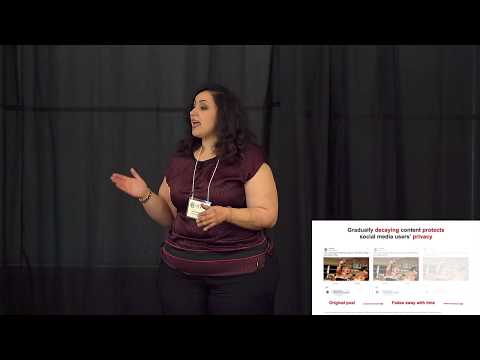
My research examines how experts build credibility online and how audiences navigate trust in human and AI sources. Physicians gain trust by humanizing their content, while TikTok therapists succeed through relatability over credentials. Students selectively trust AI depending on task type. Ultimately, online trust hinges more on authenticity than expertise.
This research examines how influencer travel videos glamorise risk and shape young tourists’ perceptions of destinations like the Gold Coast and Bali. Using biosensors to track emotional arousal, it uncovers why risk becomes appealing and helps tourism authorities design campaigns that encourage safe behaviour while protecting cultural and natural heritage.