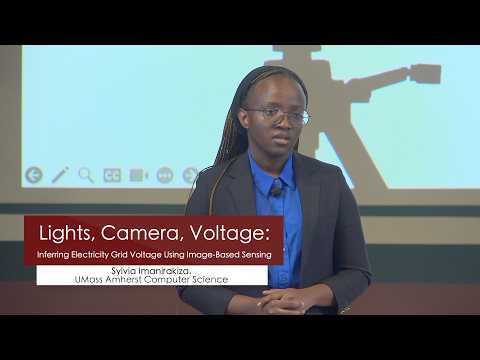
This research uses computational photography and machine learning to monitor electricity quality through the flickering patterns of everyday lights. By analyzing images captured in cities such as Kampala and Nairobi, the work offers a low-cost method for measuring voltage instability and improving power-grid planning in underserved communities lacking reliable electricity infrastructure.
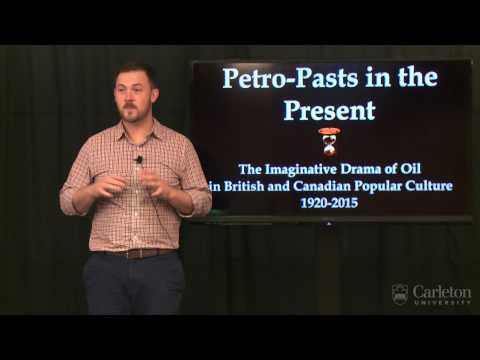
This research examines how historical narratives about oil shape modern energy debates. By analyzing Britain’s early embrace of oil, it reveals how simplified, polarized storytelling obscures complex realities. Understanding these patterns can help Canadians engage more thoughtfully with current energy challenges and make better-informed decisions about future energy systems.
Inspired by childhood experiences on the Navajo Nation, this research examines how Native American tribes use renewable energy to address energy insecurity and achieve energy sovereignty. Through interviews and site visits, it highlights infrastructure challenges, economic burdens, and policy gaps, advocating for inclusive renewable energy policies to support reliable, affordable, and sustainable tribal energy systems.