This research investigates the safety of hydrogen vehicles and refuelling infrastructure using advanced computer simulations of fires and explosions. Findings suggest protective barriers can reduce blast pressures by 60–90%. The work provides evidence for future safety standards, helping enable wider adoption of hydrogen transportation while protecting people, property, and communities.

This research develops a co-design optimization framework for microgrids that simultaneously designs physical infrastructure and control systems. By improving both reliability and cost-effectiveness, it enables more resilient renewable energy networks, supports upgrades to existing microgrids, and helps communities maintain electricity during extreme weather events and grid failures.
2025
This research develops intelligent polymer membranes that selectively capture carbon dioxide using molecular simulations to design highly efficient gas-separation materials. By improving carbon capture at industrial sources, the technology could reduce greenhouse gas emissions, support cleaner energy systems, and contribute to tackling one of the world's greatest challenges: climate change.
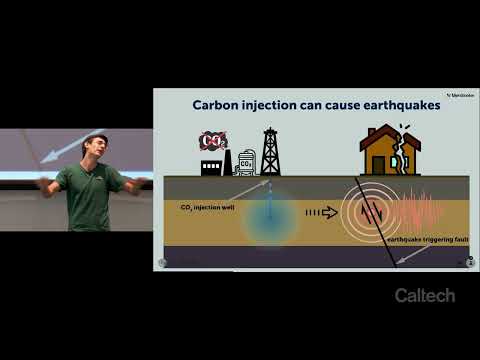
This research investigates earthquake risks associated with underground carbon dioxide storage. By studying seismic activity at the Decatur CO2 storage project, the work improves predictive geological models that account for hidden subsurface structures. The findings aim to make large-scale carbon storage safer, protecting both the climate and nearby communities.
2015
This research examines how historical narratives about oil shape modern energy debates. By analyzing Britain’s early embrace of oil, it reveals how simplified, polarized storytelling obscures complex realities. Understanding these patterns can help Canadians engage more thoughtfully with current energy challenges and make better-informed decisions about future energy systems.
2025
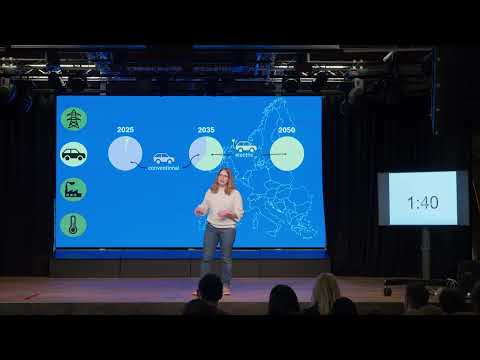
Using a European energy system model, this research compares pathways to climate neutrality by 2050. Focusing on land transport, it shows that electric vehicles are already the cheapest system-wide option, even without emission limits. Early investment in electric car infrastructure accelerates decarbonization and reduces long-term costs across Europe.
2025
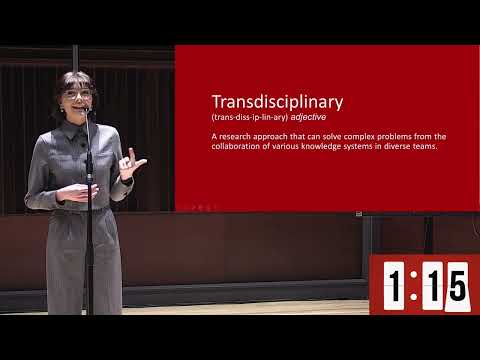
Transdisciplinary research approaches to climate change mitigation are being used more often given their strengths in collaboration, knowledge integration and collective decision making. Such approaches warrant more attention to understand how diverse teams produce knowledge and practice problem-solving. My thesis research explores the strengths and challenges of transdisciplinary research to offer future avenues for team collaboration and policy decision–making processes.
This research examines how vulnerable communities can finance renewable energy transitions without relying on fossil fuel industries. By analyzing international climate finance agreements, it proposes fairer, more accessible funding structures that empower marginalized regions—such as the Niger Delta—to pursue clean energy while addressing climate justice and inequality.
Using cake as an analogy, this research explains how buried sandstones can store naturally heated water for geothermal energy. By studying rock outcrops, cores, and microscopic structures, the work assesses sandstone quality to unlock reliable, renewable heat for buildings—available year-round as a low-carbon energy source.
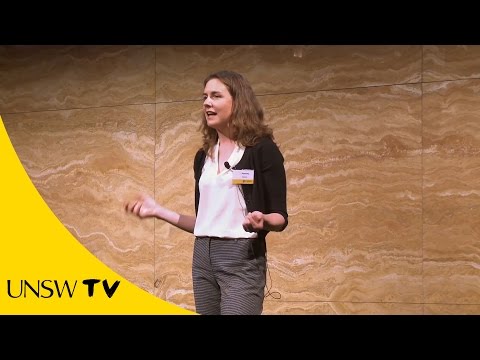
This research redesigns long wind-turbine blades for low-wind-speed sites by shifting structural strength from the internal spar to the aerodynamic shell. The new “eggshell-like” design reduces bending under the blade’s own weight, requires less material, and lowers costs—helping make wind power cheaper than fossil fuels without relying on political action.