
This research investigates the safety of hydrogen vehicles and refuelling infrastructure using advanced computer simulations of fires and explosions. Findings suggest protective barriers can reduce blast pressures by 60–90%. The work provides evidence for future safety standards, helping enable wider adoption of hydrogen transportation while protecting people, property, and communities.

This research develops a co-design optimization framework for microgrids that simultaneously designs physical infrastructure and control systems. By improving both reliability and cost-effectiveness, it enables more resilient renewable energy networks, supports upgrades to existing microgrids, and helps communities maintain electricity during extreme weather events and grid failures.
2025
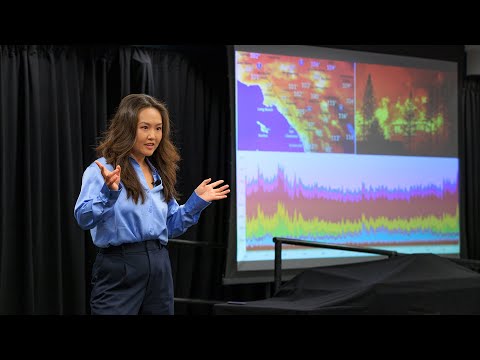
This research uses functional regression to forecast how climate change will affect electricity demand across California. By modeling complete demand patterns rather than isolated data points, it aims to help design smarter, more resilient, and more equitable power grids that reduce outages during increasingly frequent heatwaves and extreme weather.
2026
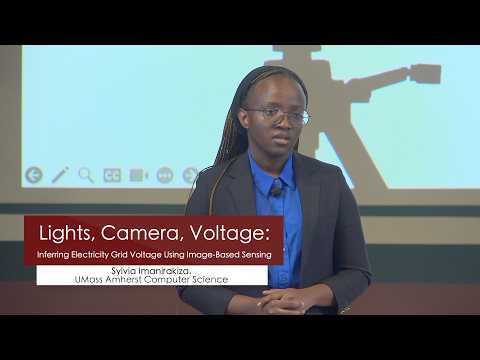
This research uses computational photography and machine learning to monitor electricity quality through the flickering patterns of everyday lights. By analyzing images captured in cities such as Kampala and Nairobi, the work offers a low-cost method for measuring voltage instability and improving power-grid planning in underserved communities lacking reliable electricity infrastructure.
2026
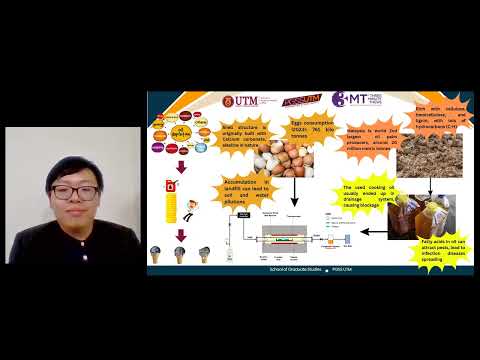
This research converts organic waste—empty fruit bunches, used cooking oil, and eggshells—into biofuel. Using eggshell-derived catalysts lowers energy requirements for pyrolysis, producing hydrocarbon-rich fuels. The approach addresses waste management while reducing reliance on fossil fuels, offering a sustainable and environmentally friendly alternative energy solution.

2026
This research investigates zinc batteries as a safer, cheaper alternative to lithium batteries. By studying the microscopic passive layer formed between zinc and electrolyte, it identifies mechanisms that improve performance and prevent failure. The work aims to enable more reliable, ethical, and fire-safe energy storage technologies through detailed materials analysis.

This research advances artificial photosynthesis by developing a dual-function “two-way” material that combines electrical conductivity and CO₂ adsorption. By pairing this material with simple powder-based fabrication, the study achieves dramatically improved reaction speed and efficiency, enabling scalable, sustainable carbon-neutral energy systems.
2025
This research improves biofuel production from sewage sludge by enhancing cellulose degradation. By isolating and reintroducing naturally occurring bacteria and fungi, sludge treatment efficiency and methane yield increase. The approach reduces waste, supports renewable energy generation, and contributes to replacing fossil fuels with sustainable alternatives.
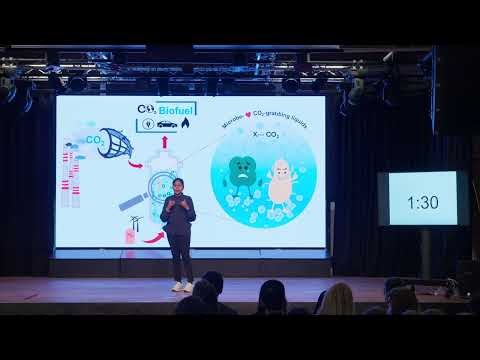
Current CO₂ capture methods are inefficient and harmful to microbes used for biofuel production. This research studies how CO₂-capturing liquids damage fuel-producing microbes and identifies tolerant strains. By understanding microbial responses at the genetic level, it aims to design microbe-friendly capture systems that convert carbon dioxide into useful fuels.

Batteries charge slowly and degrade over time. This research develops advanced supercapacitors using novel 2D materials and water-based electrolytes. The resulting devices charge rapidly, store five times more energy than conventional supercapacitors, last over 50,000 cycles, and offer a fast, affordable alternative for electric vehicles and energy storage.