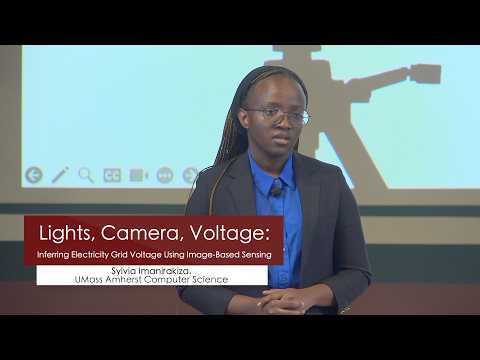
This research uses computational photography and machine learning to monitor electricity quality through the flickering patterns of everyday lights. By analyzing images captured in cities such as Kampala and Nairobi, the work offers a low-cost method for measuring voltage instability and improving power-grid planning in underserved communities lacking reliable electricity infrastructure.

This research addresses rural water scarcity in Colombia by developing a household treatment system combining filtration and solar disinfection. Using engineering models, it optimizes flow, pathogen inactivation, and sunlight exposure to ensure reliability. The approach delivers safe, simple, and sustainable water access, reducing disease and improving quality of life in underserved communities.
This research examines how vulnerable communities can finance renewable energy transitions without relying on fossil fuel industries. By analyzing international climate finance agreements, it proposes fairer, more accessible funding structures that empower marginalized regions—such as the Niger Delta—to pursue clean energy while addressing climate justice and inequality.