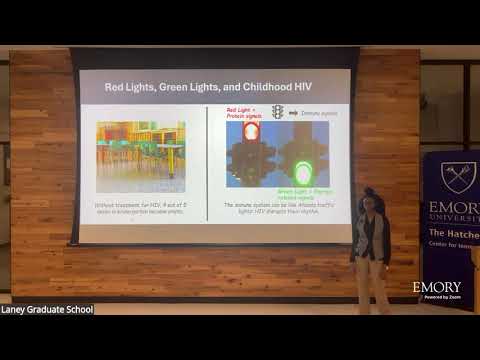
This research investigates how HIV disrupts the developing immune system in early life. Using a baby monkey model of HIV infection, the study identifies immune signals that either promote or limit infection spread. The findings could guide new immune-targeted therapies that improve survival and long-term outcomes for children living with HIV.

This research investigates how antiviral drug resistance develops by examining structural changes in viral proteins. Using protein crystallography, it identified why SARS-CoV-2 mutations prevent Paxlovid binding and discovered two compounds capable of inhibiting resistant viruses. The findings could guide development of more effective antivirals against future drug-resistant viral infections.

This research uses a high-throughput screening platform called EpiScan to identify HIV peptides that bind strongly to MHC molecules and appear on infected cell surfaces. By discovering these immune-visible targets, the work aims to improve detection and elimination of hidden HIV reservoirs, supporting the development of future HIV therapies.
2025
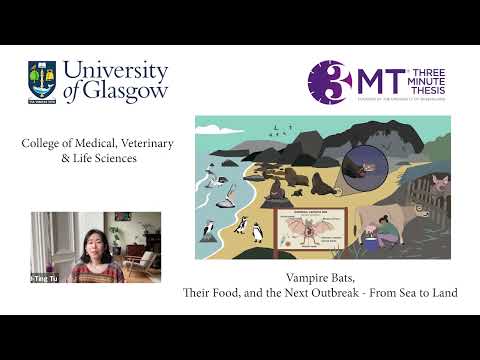
Marine-feeding vampire bats provide a novel way to track how viruses move between wildlife, livestock, and humans. By analysing their feeding history, researchers can trace cross-species disease transmission, including links between ocean-origin viruses and farm animals, offering early warning signs that could help prevent future pandemics.

Gamma herpesviruses infect up to 95% of humans and can cause cancer, yet lack effective treatments. Using super-resolution microscopy, this research overturns the classic model of viral exit, revealing that herpesviruses build internal transport structures to escape cells efficiently—reshaping how we understand infection and opening new therapeutic possibilities.
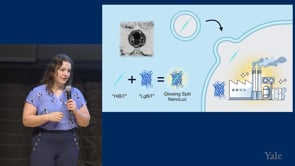
This research develops a rapid, light-based method to study viral fusion, the first step of infection. By applying split NanoLuc technology to HIV, it reveals strain-specific fusion behaviors and unexpected regulatory steps, providing tools that can accelerate responses to future pandemics such as COVID-19.

This research uses harmless insect-specific viruses to block mosquitoes from becoming infected with dangerous human viruses like dengue or Zika. Through superinfection exclusion, an already-infected mosquito can’t host a second virus. The work explores releasing “pre-infected” mosquitoes as a safe, sustainable method to prevent disease transmission globally.