
This research investigates the diversity and behaviour of zooplankton around Rangitāhua, Aotearoa New Zealand. By combining microscopy and underwater acoustics, it identifies species and tracks their daily vertical migrations. The findings will improve understanding of marine ecosystems, climate change impacts, and support Ngāti Kuri's stewardship of this culturally significant region.
This research investigates how coccolithophores—microscopic marine algae that both absorb and release carbon dioxide—have influenced Earth's carbon cycle over the past three million years. Using fossil sediments, geochemistry, and machine learning, it reconstructs past ocean ecosystems to improve predictions of how marine carbon cycling will respond to future climate change.
2026
This research examines how different sea turtle species uniquely shape marine ecosystems through their feeding behaviors. Studying green, loggerhead, and Kemp’s ridley turtles along Florida’s Gulf Coast, the work reveals species-specific ecological functions involving seagrass grazing, sediment mixing, and food web interactions that contribute to ecosystem resilience and coastal conservation.
This study reviews mangroves of the Americas and their vulnerability to climate change. Mangroves are vital carbon sinks, biodiversity hotspots, and coastal protectors, but face threats from deforestation, pollution, and urban expansion. Effective conservation requires ecosystem-based restoration, improved management, and reduced human pressures to ensure long-term resilience.
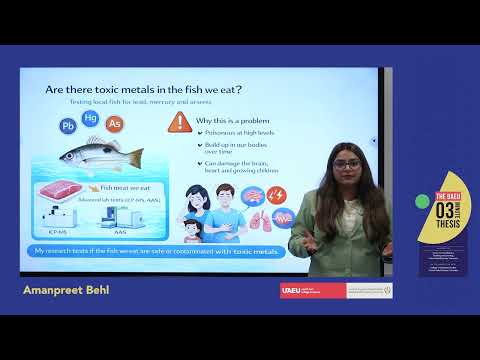
This research investigates heavy metal contamination in fish from the Arabian Gulf. Using advanced laboratory techniques, trace elements such as arsenic, lead, and mercury are measured in edible tissues to assess food safety and determine whether local fish consumption poses risks to human health.

Climate change is forcing marine species to migrate across hostile coastal environments. Using environmental DNA from seawater, this research demonstrates a powerful new way to detect and monitor biodiversity, revealing hundreds of species per sample. eDNA offers a scalable, sensitive tool for tracking ecosystem change and guiding conservation in rapidly changing marine environments.
2025
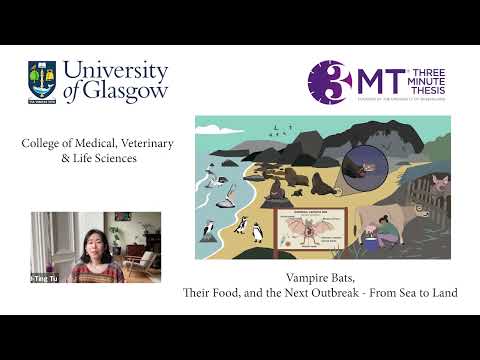
Marine-feeding vampire bats provide a novel way to track how viruses move between wildlife, livestock, and humans. By analysing their feeding history, researchers can trace cross-species disease transmission, including links between ocean-origin viruses and farm animals, offering early warning signs that could help prevent future pandemics.

My research tracks the movements of understudied South African ray species using acoustic transmitters and a nationwide receiver network. Early findings reveal key habitats, including Algoa Bay, and annual west-to-east migrations. Mapping ray movements fills crucial ecological knowledge gaps, guiding conservation and management strategies for species at risk of extinction.