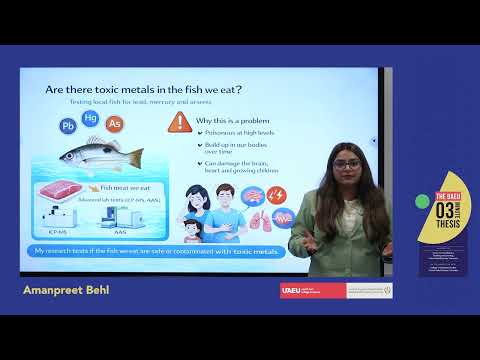
This research investigates heavy metal contamination in fish from the Arabian Gulf. Using advanced laboratory techniques, trace elements such as arsenic, lead, and mercury are measured in edible tissues to assess food safety and determine whether local fish consumption poses risks to human health.

This research examined Antarctic soils for microplastics and found contamination near human activity at Scott Base and Cape Evans, but none in the remote McMurdo Dry Valleys. The findings reveal one of the last microplastic-free environments and highlight how clothing choices and human presence influence even Earth’s most pristine ecosystems.
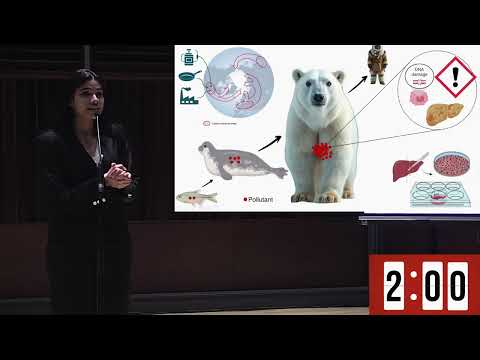
Polar bears (Ursus maritimus) are apex marine predators in the Arctic, exposed to high levels of persistent organic pollutants (POPs) through biomagnification. While previous studies have detected legacy and emerging contaminants in polar bears, their biological effects remain unclear due to ecological and biological confounders. This study improves chemical risk assessment using in vitro methods with primary polar bear cells to evaluate species-specific toxicity of priority Arctic contaminants. It employs New Approach Methodologies (NAMs) through in vitro dose-response experiments to assess individual POPs and Chemicals of Emerging Arctic Concern (CEACs) across key physiological systems, including immune, endocrine, reproductive, and hepatic function. Given Arctic Indigenous communities’ reliance on traditional diets, they are particularly vulnerable to these pollutants. This research will enhance understanding of POP and CEAC toxicity, informing safer chemical management strategies to protect Arctic wildlife and human health.