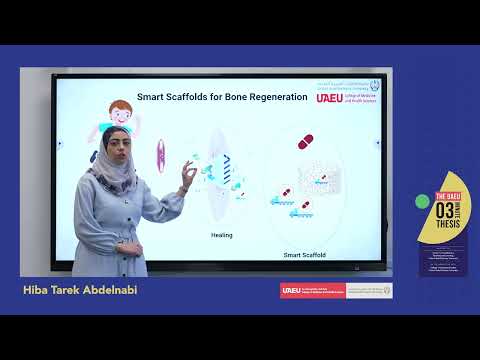
This research develops smart, biodegradable bone scaffolds that guide regeneration in severe fractures. By delivering healing molecules directly to damaged tissue, the scaffolds promote stronger bone growth, reduce inflammation, and eliminate the need for repeated surgeries, enabling faster and more natural recovery in children.
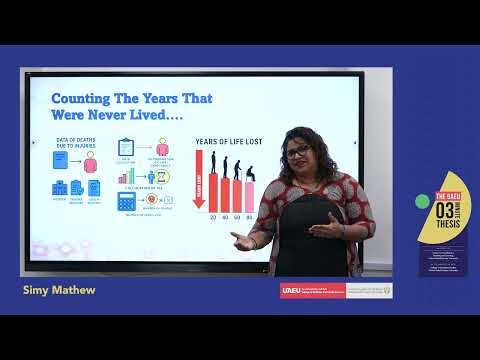
This research quantifies years of life lost due to preventable injuries such as road traffic accidents, falls, and drowning. By identifying injuries with the greatest impact on premature mortality, it aims to guide public health policies toward targeted prevention strategies that save lives.
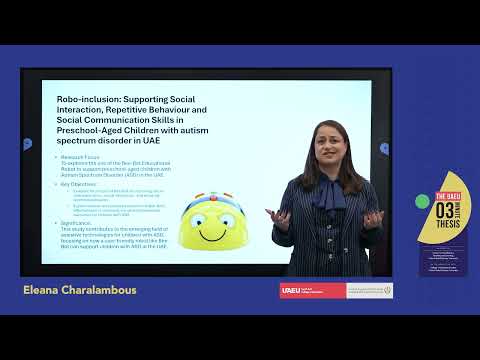
This research investigates the use of Bee-Bot, a programmable robot, to support children with autism. Structured robot-based activities aim to improve communication, social interaction, and purposeful play, while incorporating parent and teacher perspectives to assess long-term developmental and behavioral benefits.
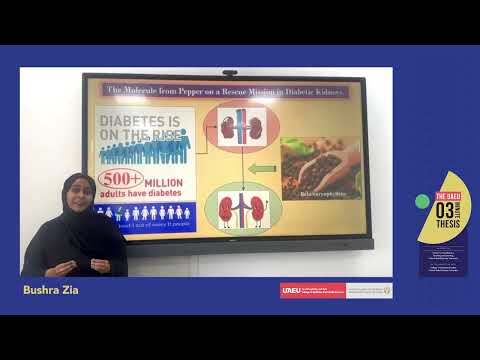
This research investigates β-caryophyllene, a natural compound found in black pepper, as a protective treatment for diabetic kidney disease. The compound shields kidney cells from high-glucose damage, offering a promising, safe, plant-based therapeutic pathway for preventing diabetic nephropathy and improving long-term outcomes for patients.
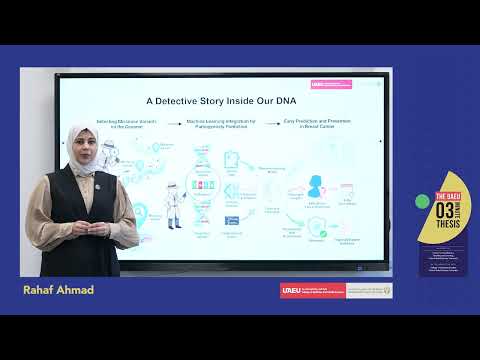
This research applies machine learning to genetic data to distinguish harmless DNA variations from cancer-causing mutations. By treating DNA like a crime scene, the model learns to identify which genetic changes truly drive breast cancer risk, supporting more accurate diagnosis and informed clinical decision-making.
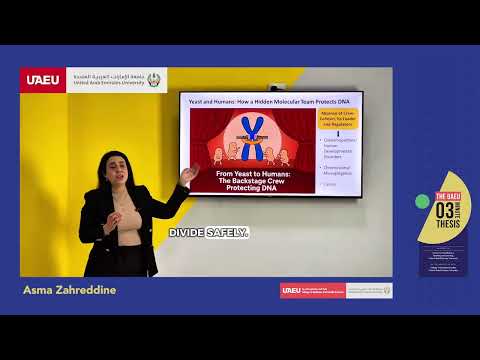
This research uses yeast to study conserved molecular machinery that ensures safe chromosome division. Focusing on a key cohesin-regulating protein, the work reveals how DNA is accurately separated during cell division and how failures in this system can lead to chromosomal errors, developmental disorders, and cancer.
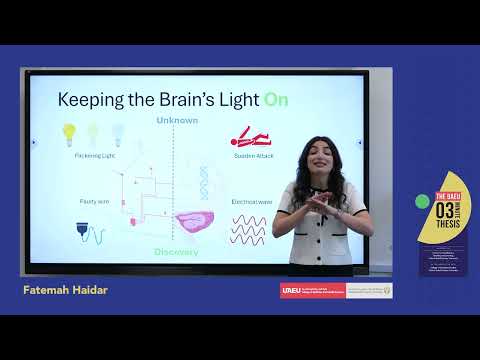
This research investigates episodic ataxia type 1, a rare disorder causing sudden loss of coordination. A genetic mutation triggers abnormal brain firing and electrical waves in the cerebellum. By tracking these waves in mice, the work aims to identify ways to prevent attacks and restore motor control.
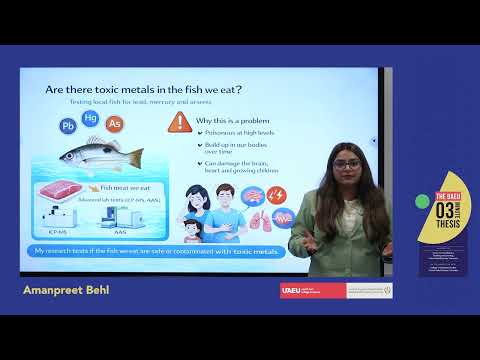
This research investigates heavy metal contamination in fish from the Arabian Gulf. Using advanced laboratory techniques, trace elements such as arsenic, lead, and mercury are measured in edible tissues to assess food safety and determine whether local fish consumption poses risks to human health.

This research uses artificial intelligence to support treatment decisions for rare diseases. By organizing verified medical knowledge into an AI assistant, it helps clinicians and families access reliable guidance, reducing the treatment odyssey and transforming rare-disease diagnoses into clearer, more hopeful care pathways.

This research transforms agricultural waste into biochar-based activated carbon for batteries and supercapacitors. By replacing costly materials, it improves energy storage performance while reducing costs, offering a sustainable and affordable solution that turns waste into valuable resources for future energy technologies.