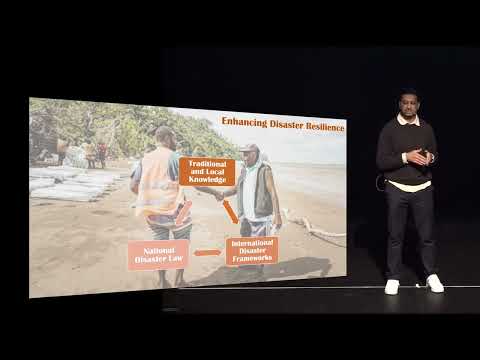
This research examines how traditional and local knowledge (TLK) can be meaningfully integrated into disaster risk reduction laws in Fiji and Vanuatu. Through legal analysis, case studies, and community interviews, it shows that TLK is not just cultural heritage, but a vital, science-based strategy for disaster resilience and survival.
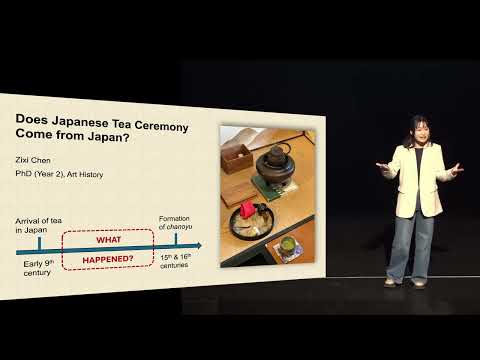
 

This thesis  challenges the idea that Japanese tea ceremony is purely Japanese, showing chanoyu’s roots in Chinese aesthetics, religion, and philosophy. Introduced via Buddhist monks, tea evolved from medicine to art. Recognizing these cross-cultural origins deepens understanding of chanoyu as a living tradition that connects cultures beyond national boundaries and histories.

This research analyzes 15 years of aid data across Pacific Island countries to assess whether foreign aid supports economic growth. It finds that aid can be effective, but only up to a point, and that donor type matters. The study emphasizes shifting focus from national GDP to community-level outcomes.

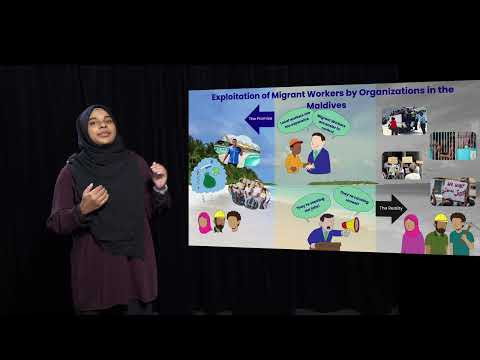
This research examines migrant worker exploitation in the Maldives through interviews and fieldwork. It shows how weak enforcement, informal power structures, and xenophobic narratives allow abuse to persist despite formal laws. By developing a public awareness campaign, the work aims to increase accountability and challenge misconceptions surrounding migrant labor.

This research explores how rearranging atoms in crystal thin films can radically change material behavior. By engineering strain and atomic orientation in lanthanum strontium manganite films, the work links structure to electrical and magnetic properties, enabling the design of custom materials for next-generation electronics and computing technologies.

My thesis examines how “bad actors” manipulate information and undermine knowledge through monitoring, adjusting, and restructuring people’s trust networks. By grounding theory in real-world examples, the research shows how misinformation exploits vulnerability and argues that understanding these tactics is essential to protecting autonomy and resisting manipulation.

This research explores whether Video Interaction Guidance can strengthen parental reflective functioning among CPS-involved parents in New Zealand. By helping parents reflect on positive parent–child interactions, the intervention encourages curiosity, reduces reactive parenting, and supports safer, more nurturing relationships that may help families remain together.

This research examined Antarctic soils for microplastics and found contamination near human activity at Scott Base and Cape Evans, but none in the remote McMurdo Dry Valleys. The findings reveal one of the last microplastic-free environments and highlight how clothing choices and human presence influence even Earth’s most pristine ecosystems.

This research tackles concrete’s carbon footprint by replacing Portland cement with locally sourced natural pozzolans. By calcining and testing South Island geomaterials, the work demonstrates a low-cost, carbon-free alternative that maintains strength and durability while reducing emissions and construction costs.

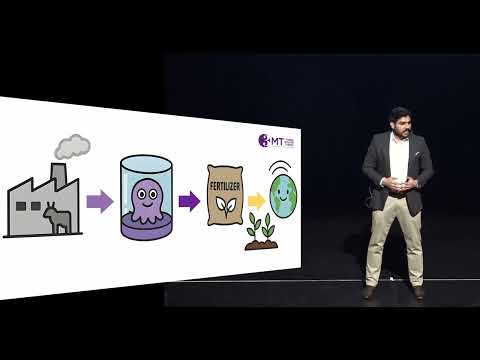
This research uses purple bacteria to treat dairy wastewater, removing nitrogen and phosphorus while producing nutrient-rich biomass. The process reduces pollution and transforms waste into potential biofertilizer, offering a sustainable alternative to chemical fertilizers and a circular solution for dairy farming and agriculture.