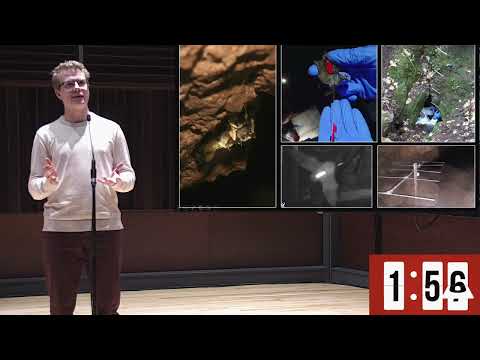
In the cool depths of a limestone cave, temperature, humidity, and darkness are constant — ideal conditions for hibernators to save energy over winter. Endangered little brown bats (Myotis lucifugus) may hibernate for up to eight months, emerging in spring with minimal stored fat. Exiting the cave on warm, calm days with higher insect activity could provide an opportunity to forage and recover from hibernation. But without weather cues from the outside world, how might hibernating bats anticipate good conditions for emergence? Atmospheric pressure changes, which precede warm and cold fronts, are sensed by many animals, and little brown bats appear to synchronize activity during hibernation with pressure patterns as spring approaches. Using infrared cameras and radio telemetry, my research monitors the activity of bats throughout their hibernation at a Manitoba cave to reveal how air pressure and weather influence their emergence timing and behaviour.
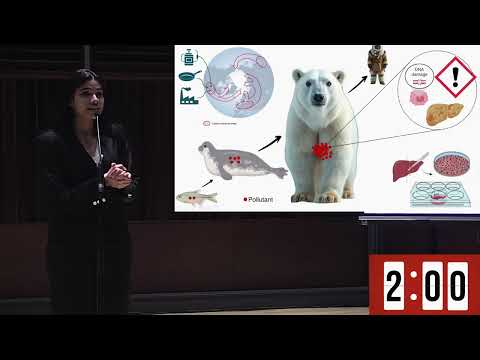
Polar bears (Ursus maritimus) are apex marine predators in the Arctic, exposed to high levels of persistent organic pollutants (POPs) through biomagnification. While previous studies have detected legacy and emerging contaminants in polar bears, their biological effects remain unclear due to ecological and biological confounders. This study improves chemical risk assessment using in vitro methods with primary polar bear cells to evaluate species-specific toxicity of priority Arctic contaminants. It employs New Approach Methodologies (NAMs) through in vitro dose-response experiments to assess individual POPs and Chemicals of Emerging Arctic Concern (CEACs) across key physiological systems, including immune, endocrine, reproductive, and hepatic function. Given Arctic Indigenous communities’ reliance on traditional diets, they are particularly vulnerable to these pollutants. This research will enhance understanding of POP and CEAC toxicity, informing safer chemical management strategies to protect Arctic wildlife and human health.
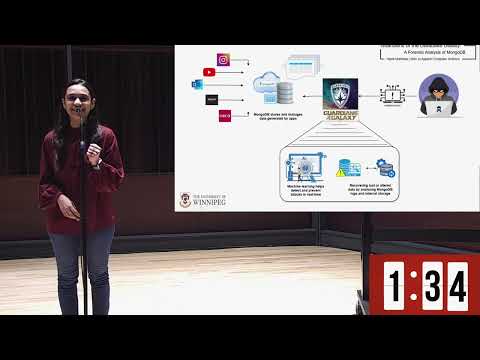
This study looks at how to keep data safe in MongoDB, a type of database used by many businesses to store large amounts of information. As more companies use MongoDB, it becomes a target for hackers who may try to steal or delete important data. While there has been a lot of research into protecting traditional databases, there is less focus on databases like MongoDB. This study explores ways to detect and stop harmful activities in MongoDB, as well as how to recover deleted data. By analyzing the database’s logs, we can track and prevent unauthorized actions. The goal is to create a tool that helps protect databases from attacks like data theft or loss, and ensures data is recoverable if something goes wrong. This tool will help businesses protect their data and recover it when necessary.

Obesity during pregnancy can have long-term health effects on offspring, increasing their risk of conditions like non-alcoholic fatty liver disease (NAFLD). NAFLD is the most common liver disease in children, and is characterized by excess fat buildup in the liver, leading to inflammation, liver damage and liver failure. Breast/chest feeding helps counteract the effects of obesity, but what about for NAFLD? Human milk contains biological nanovesicles called milk-derived extracellular vesicles (MEVs). MEVs positively influence metabolism and can be anti-inflammatory. My study explores how MEVs impact NAFLD risk in offspring with gestational obesity. I hypothesize that MEVs will provide protection against NAFLD and reduce chronic liver inflammation and fat buildup in offspring. Understanding MEVs’ role could shape policies promoting breastfeeding and the enhancement of infant formulas with MEVs, providing a new approach to improve long-term health outcomes for children.
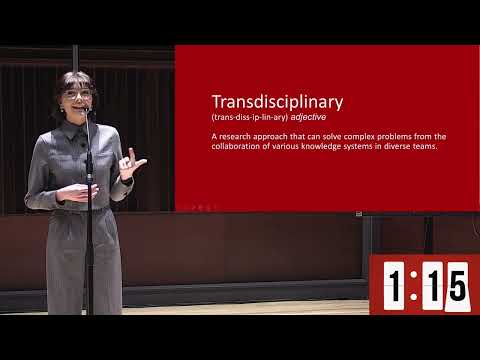
Transdisciplinary research approaches to climate change mitigation are being used more often given their strengths in collaboration, knowledge integration and collective decision making. Such approaches warrant more attention to understand how diverse teams produce knowledge and practice problem-solving. My thesis research explores the strengths and challenges of transdisciplinary research to offer future avenues for team collaboration and policy decision–making processes.
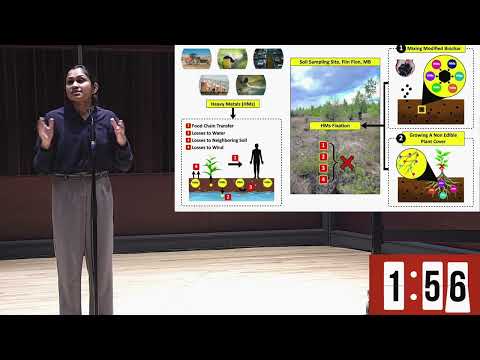
Heavy metal contamination in boreal forest soil particularly by Cadmium (Cd), Copper (Cu), Lead (Pb), and Zinc (Zn) is an environmental issue associated with mining. Heavy metal contaminated soil causes food chain contamination, detrimental effects on humans, contamination of natural waters and impairment of plant growth. Chemical immobilization combined with phytostabilization is a promising remediation strategy of heavy metal contaminated soil. In this technique, various kinds of amendments are added to soil which immobilize heavy metals whereas an established vegetation cover stabilizes heavy metals within the rhizosphere zone. This project will assess the effectiveness of modified biochar as amendments in immobilizing Cd, Cu, Pb, Zn in acidic boreal forest soils with different levels of concentrations. Additionally, it will evaluate the phytostabilization potential of native Canadian grass species to reduce mobility and bioavailability of these heavy metals contributing to development of effective remediation measures in multi-metal contaminated boreal forest ecosystems.
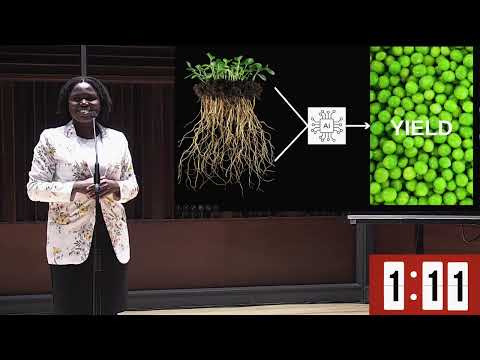
My research uses field images to predict crop yield, leveraging machine learning techniques to extract patterns and features correlating yield. These features include plant health indicators, growth stages, or canopy coverage. I am particularly interested in using these features to develop models that improve the accuracy of yield prediction, helping farmers make data-driven decisions. My approach considers temporal changes in the crop, capturing how its characteristics evolve. My work contributes to precision agriculture, a field that seeks to optimize resource use, increase productivity, and promote sustainability in farming. My research has the potential to transform traditional agricultural practices by integrating advanced AI methods.