
This research investigates whether thallium exposure from 9/11 dust contributes to long-term memory loss in first responders. By linking biological samples with decades of cognitive data, findings suggest higher exposure increases risk of early Alzheimer’s indicators. The study emphasizes early detection and prevention for those exposed to environmental toxins.
2015
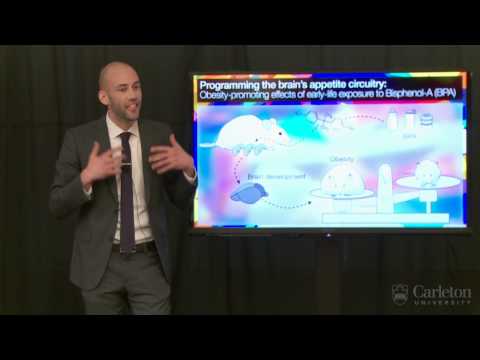
This research investigates how bisphenol A (BPA), a common plastic chemical, may contribute to obesity. By disrupting hormonal systems during brain development, BPA alters appetite regulation and metabolic set points. Animal studies show increased obesity and diabetes risk, suggesting environmental chemicals may play a significant role in the obesity epidemic.
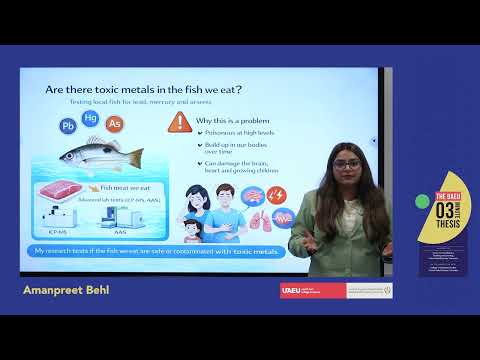
This research investigates heavy metal contamination in fish from the Arabian Gulf. Using advanced laboratory techniques, trace elements such as arsenic, lead, and mercury are measured in edible tissues to assess food safety and determine whether local fish consumption poses risks to human health.
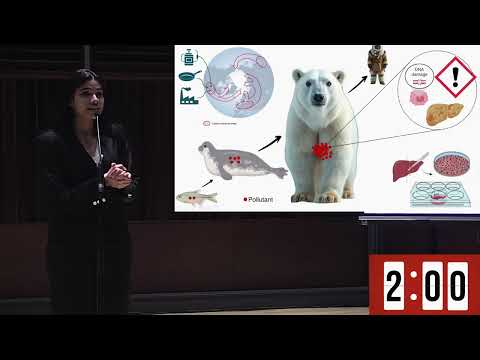
Polar bears (Ursus maritimus) are apex marine predators in the Arctic, exposed to high levels of persistent organic pollutants (POPs) through biomagnification. While previous studies have detected legacy and emerging contaminants in polar bears, their biological effects remain unclear due to ecological and biological confounders. This study improves chemical risk assessment using in vitro methods with primary polar bear cells to evaluate species-specific toxicity of priority Arctic contaminants. It employs New Approach Methodologies (NAMs) through in vitro dose-response experiments to assess individual POPs and Chemicals of Emerging Arctic Concern (CEACs) across key physiological systems, including immune, endocrine, reproductive, and hepatic function. Given Arctic Indigenous communities’ reliance on traditional diets, they are particularly vulnerable to these pollutants. This research will enhance understanding of POP and CEAC toxicity, informing safer chemical management strategies to protect Arctic wildlife and human health.

2026
This research investigates how microplastics and nanoplastics affect human cells. Using laboratory models that mimic the digestive system, it examines how particle size and concentration influence toxicity. The findings show that smaller particles are more harmful, providing evidence that can inform safety regulations and reduce human exposure to plastic pollution.

This research examines how real-world microplastics and nanoplastics affect human brain immune cells. Using plastics from everyday consumer items, it shows rapid cellular stress and mitochondrial damage linked to neurodegenerative disease. The findings suggest current laboratory studies may underestimate the true health risks of chronic plastic exposure.

PFAS “forever chemicals” contaminate water, food, and air and accumulate in the body, causing serious health risks. This research develops a light-activated porous material that traps and breaks down PFAS molecules. Tested in real-world water and now being scaled up, the method aims to provide a practical, permanent solution for removing PFAS and protecting safe drinking water.

2024
My research tackles PFAS (polyfluoroalkyl substances) or “forever chemicals,” found in everyday products and linked to serious health risks. Blood testing shows 95% contamination rates. The project identifies specialised bacteria capable of breaking PFAS down nearly completely within days, offering a promising biological solution to reduce environmental and human exposure to these persistent toxic chemicals.
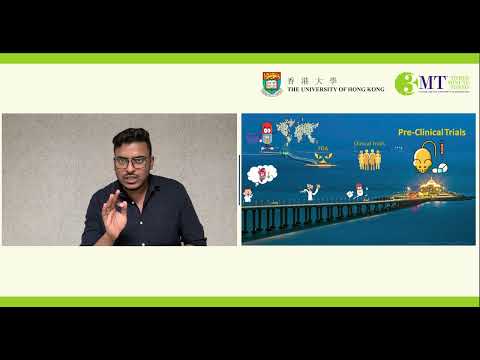
This research tests the safety of a new hypertension drug designed for patients who don’t respond to current medications. Through four phases of pre-clinical toxicology studies in cells and mice, the drug showed no major toxicity and effectively lowered blood pressure, supporting its progression toward future human clinical trials.