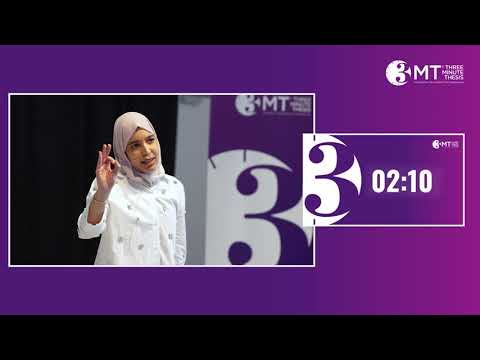
My research uses artificial intelligence to detect water pollution by analysing DNA traces left by aquatic species. Instead of relying on visual signs or costly expert identification, supervised machine learning reads species patterns to determine water quality. The method is faster, cheaper, and more accurate than traditional analysis.
2023
This research uncovers how AI systems like GPT succeed at automatically grouping words—a task that traditionally required manual labeling. Using geometric tools such as convex hulls and Delaunay triangulation, the researcher developed an algorithm that replicates this capability, enabling powerful language models to be built with far fewer computational resources.
2025
My research uses AI and wearable technology to track brain and body signals such as brain waves (EEG), heart rate, and movement. The goal? Spotting early signs of Alzheimer's and Parkinson's before symptoms show up. Catching these subtle changes could mean helping people sooner, letting them enjoy the everyday moments that matter most