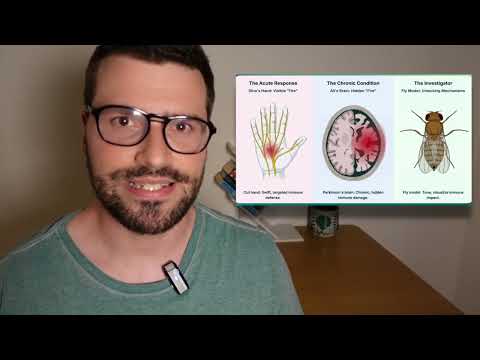
This research explores how immune-related cells and molecules, beneficial in wound healing, may become harmful in Parkinson’s disease. Using the fruit fly as a model organism, the study investigates which inflammatory processes contribute to brain damage. Early results suggest that excessive activation worsens degeneration, offering potential targets for future therapies.
This study investigates how immune cells influence Alzheimer’s disease. Using a mouse model, researchers found that removing T cells did not alter amyloid plaque levels but changed microglial behavior, leading to better protection of myelin. The findings suggest T cells may worsen neurodegeneration and highlight new therapeutic possibilities.
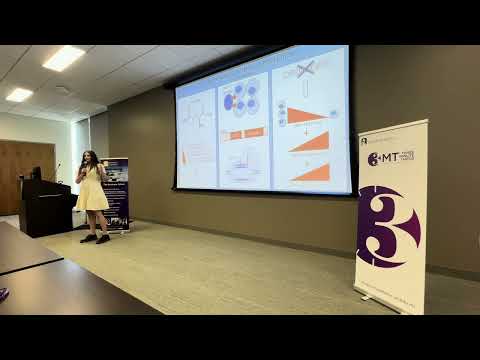
Researchers describe a simple strategy to slow Alzheimer’s disease by capping toxic tau protein chains. Inspired by a ring-stacking toy, they engineered spiky molecular “hats” that bind tau, halt aggregation, and reduce spread in cellular and postmortem brain models, suggesting broad potential across neurodegenerative disorders with future therapeutic promise worldwide.
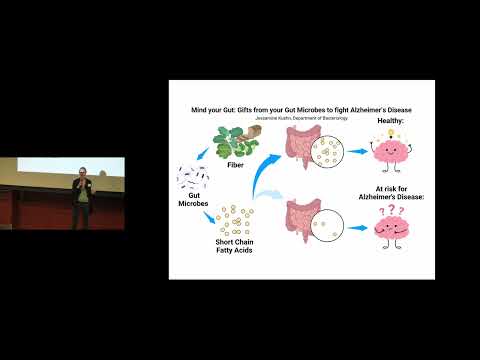
This thesis investigates how gut microbes influence brain health through short-chain fatty acids produced from dietary fibre. Measuring these compounds in stool samples, the research finds lower levels in people at risk for Alzheimer’s disease. The next phase tests whether supplementing short-chain fatty acids can prevent or treat Alzheimer’s in mouse models.
Psychiatric symptoms often precede neurodegenerative diseases, but the biological link remains unclear. This research examines the FMR1 gene using postmortem brain tissue to uncover shared molecular mechanisms, aiming to predict neurodegeneration earlier, improve treatment strategies, and reframe psychiatric symptoms as potential early warning signs.
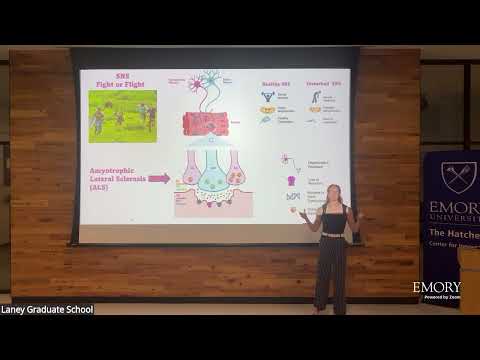
This research investigates toxic protein fragments involved in amyotrophic lateral sclerosis (ALS). By studying two TDP-43 fragments in mice and neurons, the work shows that specific fragments cause greater movement deficits and protein aggregation. Identifying the most harmful fragments advances understanding of ALS mechanisms and supports development of targeted neuroprotective therapies.
My research investigates AU403, a novel LXR agonist, as a potential treatment for frontotemporal dementia. Using mouse brain slice models, the study shows that AU403 restores damaged myelin, improves neuronal communication, and reverses disease-like symptoms, offering hope for a condition with no approved therapies.
This research examines how real-world microplastics and nanoplastics affect human brain immune cells. Using plastics from everyday consumer items, it shows rapid cellular stress and mitochondrial damage linked to neurodegenerative disease. The findings suggest current laboratory studies may underestimate the true health risks of chronic plastic exposure.
This thesis develops a vibro-tactile rhythmic-haptic cueing system based on Afro-diasporic polyrhythms to support gait improvement in neurodegenerative conditions. Using foot-based sensors and calibrated vibrations, the system increased cadence by 2–3%. The work challenges historical pathologizing of Black music and reframes it as therapeutic, culturally grounded neurotechnology.
Prion diseases like CJD are extremely hard to detect early because harmful prions resemble normal brain proteins. This research introduces a new “flashbody” detection tool that binds only disease-causing prions, providing rapid, accurate, equipment-free diagnosis. Early lab results and patient-screening trials are promising, with potential applications to Alzheimer’s and other dementias.
Pagination
- Page 1
- Next page