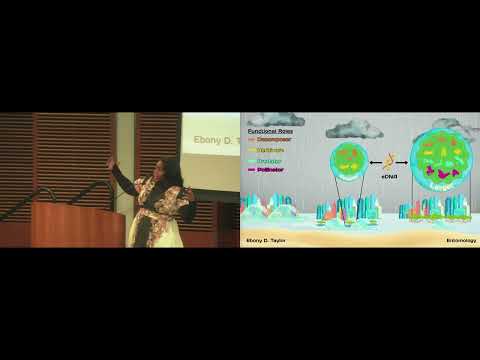
This research investigates whether small mangrove patches can effectively protect coastal areas from hurricanes. Using insect biodiversity and environmental DNA, it evaluates ecosystem functionality across patch sizes. The goal is to identify the minimum viable size for resilient mangrove systems, informing urban planning and improving coastal protection in space-limited environments.

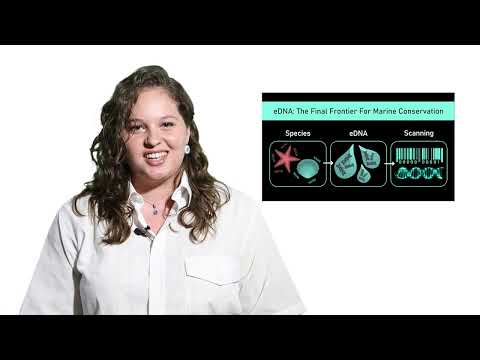
Climate change is forcing marine species to migrate across hostile coastal environments. Using environmental DNA from seawater, this research demonstrates a powerful new way to detect and monitor biodiversity, revealing hundreds of species per sample. eDNA offers a scalable, sensitive tool for tracking ecosystem change and guiding conservation in rapidly changing marine environments.
This research shows how environmental DNA (eDNA) can rapidly and sensitively detect marine species threatened by climate change. By analysing seawater samples, the study identified over 18,800 species and revealed fine-scale ecological shifts. eDNA offers a powerful, scalable tool to monitor coastal ecosystems and protect vulnerable species as environmental conditions worsen.
My research uses artificial intelligence to detect water pollution by analysing DNA traces left by aquatic species. Instead of relying on visual signs or costly expert identification, supervised machine learning reads species patterns to determine water quality. The method is faster, cheaper, and more accurate than traditional analysis.