
This research investigates the diversity and behaviour of zooplankton around Rangitāhua, Aotearoa New Zealand. By combining microscopy and underwater acoustics, it identifies species and tracks their daily vertical migrations. The findings will improve understanding of marine ecosystems, climate change impacts, and support Ngāti Kuri's stewardship of this culturally significant region.

This research investigates how landslides disrupt New Zealand's road network. By analysing past landslides, linking landslide severity to road impacts, and combining these relationships with landslide forecasts, the project aims to predict future road closures, improve emergency planning, reduce community isolation, and enhance public safety during severe weather and earthquakes.

This research improves flood prediction by analysing data from more than 3,000 rivers worldwide and using local fitting techniques to compare similar weather events. By relying on relevant historical data rather than human intuition, the model aims to produce more accurate flood forecasts and strengthen disaster preparedness under climate change.
2025
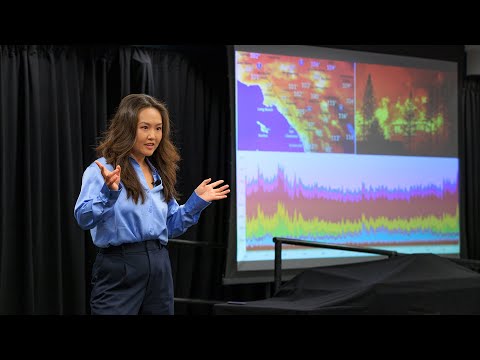
This research uses functional regression to forecast how climate change will affect electricity demand across California. By modeling complete demand patterns rather than isolated data points, it aims to help design smarter, more resilient, and more equitable power grids that reduce outages during increasingly frequent heatwaves and extreme weather.
This research investigates how freshwater organisms respond to climate extremes such as warming rivers and drought. Using field surveys, experiments, and modelling, it examines whether species can adapt to higher temperatures and what costs that adaptation may carry. Understanding these limits is crucial for protecting ecosystems, water security, and biodiversity.
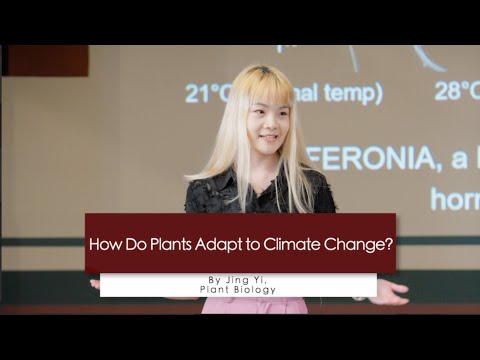
This research investigates feronia, a plant protein essential for heat adaptation. By studying how feronia regulates auxin signaling and plant growth under temperature stress, the work aims to uncover mechanisms that could support the development of heat-resilient crops, improving agricultural productivity and food security in a warming global climate.
2026
Road salt, widely used for winter safety, contaminates waterways and drinking supplies by increasing sodium and chloride levels. This year-long study of Pennsylvania watersheds found consistent exceedances of EPA guidelines, posing risks to human health and aquatic ecosystems. The research highlights the need to reduce salt use and adopt more sustainable deicing practices.

This research examines how older adults manage indoor environmental conditions while aging in place. It highlights the importance of “adaptive opportunities,” such as adjusting surroundings or behavior, and identifies barriers like mobility and cost. The goal is to develop practical strategies to improve comfort, health, and independence for aging populations at home.

This research evaluates passive cooling strategies—like reflective roofs and shading—to reduce heat in homes without air conditioning. Using simulations of thousands of combinations under current and future climates, it identifies optimal solutions for cities like Ottawa, aiming to protect vulnerable populations from rising heat risks due to climate change.

This research addresses rural water scarcity in Colombia by developing a household treatment system combining filtration and solar disinfection. Using engineering models, it optimizes flow, pathogen inactivation, and sunlight exposure to ensure reliability. The approach delivers safe, simple, and sustainable water access, reducing disease and improving quality of life in underserved communities.