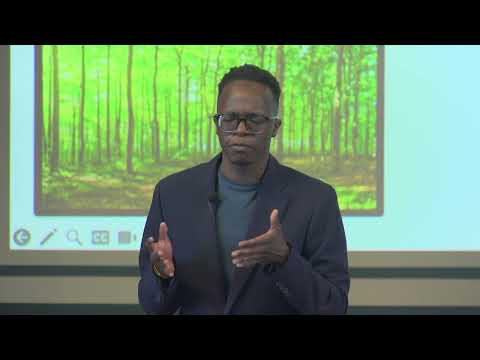
This research investigates phosphorus pollution in Lake Warner by comparing water movement and phosphorus transport through urban and forested landscapes. Forests naturally filter phosphorus due to slower water travel and greater infiltration, while urban runoff accelerates pollution. The study identifies how interventions such as rain gardens can reduce phosphorus loading into lakes.
This research explores how urban environments can support pollinators despite habitat loss and fragmentation. It highlights the importance of diverse planting, connected green spaces, and less intensive maintenance. By rethinking urban design and aesthetics, cities can become viable ecosystems that sustain pollinators essential for food systems and biodiversity.

This research tackles concrete’s carbon footprint by replacing Portland cement with locally sourced natural pozzolans. By calcining and testing South Island geomaterials, the work demonstrates a low-cost, carbon-free alternative that maintains strength and durability while reducing emissions and construction costs.

This study tested sustainable alternatives to sand for Texas rain-garden soils, using waste materials like crushed glass, oyster shell, and expanded shale mixed with clay. All alternatives performed as well as sand in draining stormwater. These findings support affordable, scalable, and environmentally friendly strategies to reduce urban flooding amid rising climate-driven flood risks.