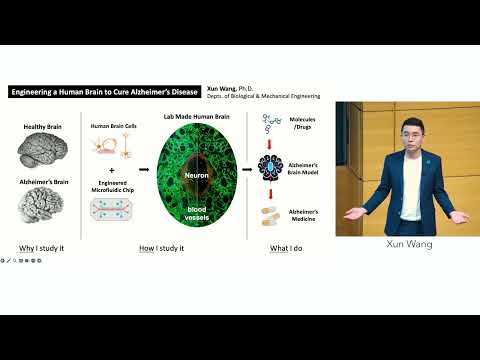
This research develops one of the most advanced human-engineered brain models to better study Alzheimer’s disease and test treatments. Using microfluidic chips containing all key brain cell types, blood-vessel systems, and Alzheimer’s-model neurons, the project enables efficient drug testing, personalised disease modelling, and the possibility of replacing animal testing in the search for a cure.
2024
My research investigates how families manage temporary feeding tubes at home. Using journey mapping with 30 families, it reveals overwhelming routines, safety fears, isolation, and lack of support. The findings expose major gaps in healthcare communication and training, highlighting the urgent need for better systems to help families thrive beyond “plan, prep, feed, clean, repeat.”