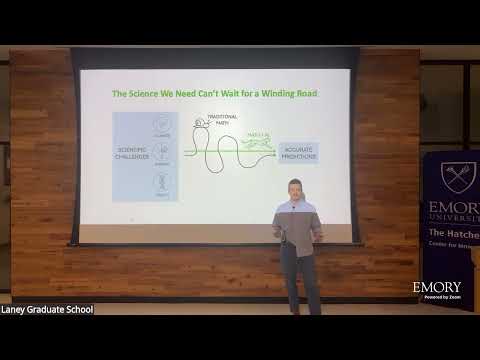
This research uses artificial intelligence to accelerate scientific simulations by learning patterns from traditional mathematical models. Rather than replacing physics, the AI predicts efficient starting points for complex calculations, producing accurate results much faster. The approach could dramatically speed up research in fields such as medicine, engineering, and climate science.
2026
This research investigates why supersonic aircraft engines fail under turbulent atmospheric conditions. Using high-performance supercomputer simulations, the study models airflow disruptions around supersonic engines to identify early warning signs of instability. The work aims to improve engine reliability and help revive safe, efficient supersonic passenger air travel.
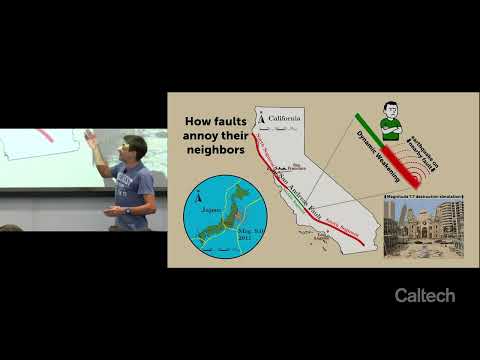
Victor's research investigates dynamic weakening, a process that can allow small earthquakes to grow into devastating megaquakes. Using supercomputer simulations of the San Andreas Fault, the study explores how stress, fluids, friction, and neighboring fault activity may trigger unexpectedly large earthquakes, improving seismic hazard prediction and understanding of earthquake behavior.