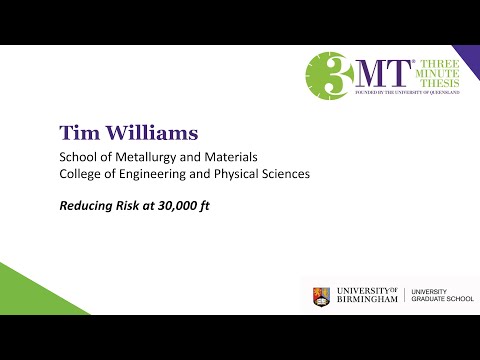
This research investigates how turbine disc cracks grow under real engine conditions. By replicating extreme temperatures and loading cycles, including the high forces at take-off, the findings reveal a counter-intuitive effect: take-off loads actually slow crack growth by preventing oxide formation. This improves lifetime predictions, increases safety, and reduces operational costs.
This research aims to make space travel cheaper by creating reusable rocket engines. Current engines overheat to destructive levels, but simulations show that adjusting the fuel–oxygen ratio can cool them without losing power. By preventing long-term damage, engines can be reused, lowering launch costs and expanding access to space exploration.
This research develops flexible, bird-inspired aircraft wings that can smoothly change shape during flight. By combining stiff carbon-fibre structures with elastic outer skins, these wings reduce drag, fuel consumption, and noise. With aviation’s emissions projected to rise sharply, such morphing-wing technology could make future flights cleaner, quieter, and potentially cheaper.
This research challenges overly conservative engineering methods used to prevent wing buckling in aircraft. By developing more advanced prediction techniques, the project aims to reduce unnecessary structural weight while maintaining safety. Lighter aircraft burn less fuel, offering a practical path toward more sustainable aviation without compromising performance.
This research improves aviation efficiency by using tiny vortex generators to control turbulent airflow over airplane wings. These structures reduce drag, save fuel, and cut carbon emissions—potentially eliminating 600,000 tons of CO₂ annually. It's a small aerodynamic change with a massive global impact for greener, more sustainable air travel.