This research uses differential equations to model how people move between law-abiding life, crime, and incarceration. By simulating rehabilitation, overcrowding, and policy changes, the work shows how prisons can sometimes produce crime—and how evidence-based mathematical models can guide smarter decisions that reduce crime and build safer communities.
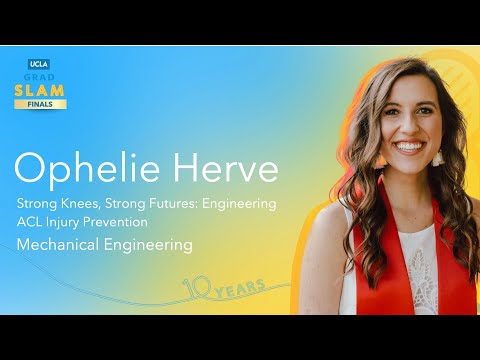
This research designs bespoke, lightweight 3D-printed breast prostheses for women after mastectomy. Using body scanning and personalised materials, the prostheses improve comfort, symmetry, and fit compared to standard silicone forms. The project aims to help women move from surviving breast cancer to thriving with confidence and comfort.
This research creates a core outcome set for clinical trials of physical activity in older adults. Because trials currently measure inconsistent outcomes, evidence cannot be easily combined. Using a multi-round expert and stakeholder survey, the project will establish essential outcomes to reduce research waste, improve knowledge synthesis, and strengthen healthcare decisions.
Aphasia impairs language but not necessarily communication. My research explores how people with aphasia use nonverbal cues, interaction with conversation partners, and contextual support to communicate effectively despite limited language skills. By testing these elements in the lab, the work aims to improve therapy methods and real-world communication outcomes for people with aphasia.
Why does exercise reduce pain for some people with knee osteoarthritis but not others? By examining psychological factors, educational messaging, and brain stimulation, the studies aim to enhance exercise-induced hypoalgesia and develop effective, drug-free pain-relief strategies that can transform knee osteoarthritis into a manageable condition rather than a lifelong disability.
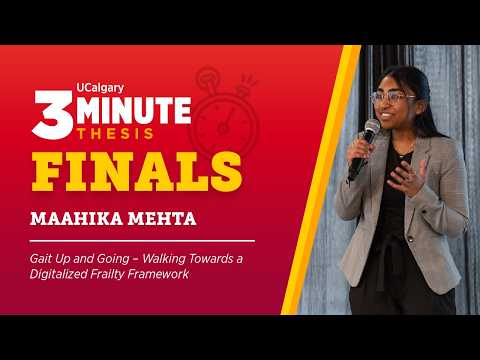
This research investigates whether ballet training can reduce fall risk in older adults. Comparing dancers to non-dancers during unexpected slips, ballet-trained participants showed better stability, faster muscle responses, and fewer falls. The project aims to develop a validated ballet-based fall-prevention syllabus that could significantly improve independence and reduce healthcare costs.