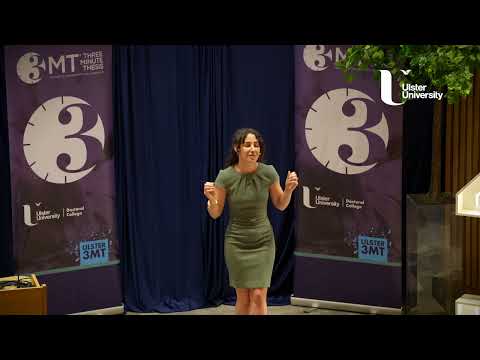
This research examines mental health and help-seeking among neurodivergent young people. Northern Ireland data reveal substantially higher rates of anxiety, depression, suicidal thoughts and self-harm, alongside greater online help-seeking. The research evaluates digital mental health support and works directly with young people to develop more accessible, neurodiversity-informed services and guidance.
2025
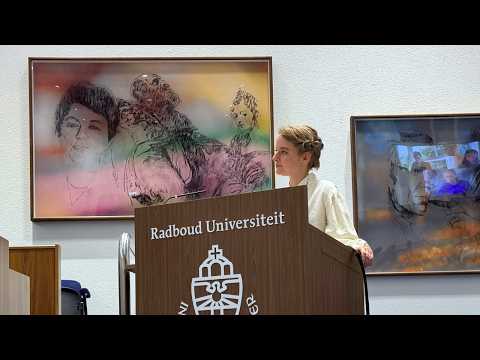
This dissertation develops brain-charting methods to support precision psychiatry and neurology by measuring how an individual’s brain differs from population norms. Using normative modelling, it replaces conventional case-control averages with personalised deviation scores across age and disease progression. The research introduces warped normative models for non-Gaussian imaging data and multivariate extreme-value methods for identifying unusual patterns across brain regions. Applications to rare copy-number variants and Parkinson’s disease reveal individual differences obscured by group averages. The defence also examines longitudinal monitoring, environmental influences, resilience, ethics, stigma and clinical implementation, while emphasising that brain deviations alone cannot define pathology or determine treatment.
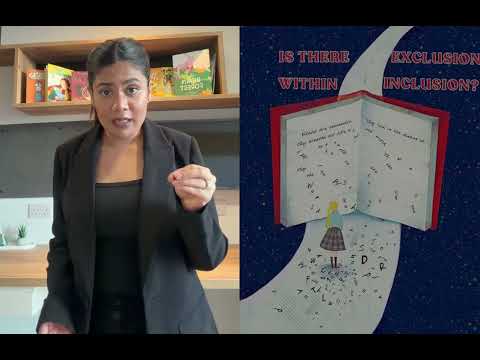
This research explores how children's literature represents neurodiversity and how those representations shape children's sense of identity and inclusion. By gathering perspectives from readers and educators, the project aims to develop a reading programme featuring authentic, diverse stories so every child can see themselves reflected in literature.
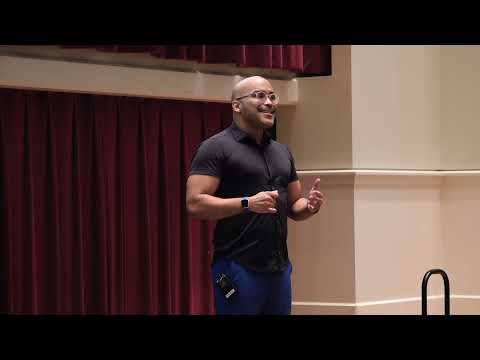
This research explores how generative AI can create personalized reading materials based on autistic children’s special interests. Using AI-generated stories tailored to individual passions, the study examines effects on engagement and story retelling, suggesting that personalized, strength-based educational tools may improve reading experiences and accessibility for neurodivergent learners.
2022
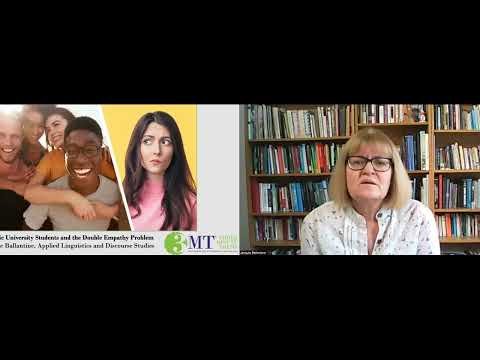
This research explores autistic university students’ experiences navigating sensory challenges and communication differences on campus. It highlights the “double empathy problem,” where misunderstandings occur between autistic and non-autistic individuals. Using applied linguistics, the study argues that mutual understanding is essential to ensure equitable access to education and improve student well-being and inclusion.
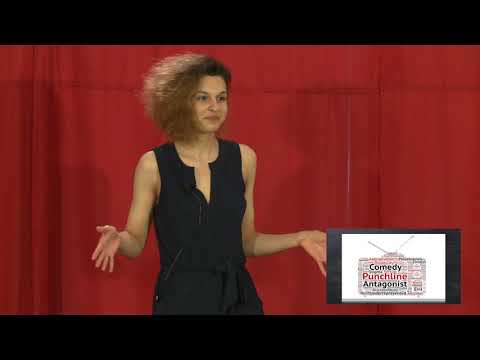
This research examines misrepresentation of autistic individuals in media, particularly when non-autistic actors portray autistic roles. It highlights how such portrayals reinforce stereotypes and contribute to social harm. Using interdisciplinary methods and audience analysis, the study advocates for authentic inclusion of autistic voices in media production to improve representation and reduce ableism.
2025
This interdisciplinary art practice explores how video game aesthetics and online fan communities shape artistic identity and self-expression. Through collage, layered media, and game-inspired self-portraits, the artist processes personal medical history while advocating for greater recognition of digital and fan artists within institutional art spaces.
2025
This project explores whether art can reduce stigma around mental health and neurodiversity. Through community-based exhibitions, participatory coloring events, and fundraising for autism support organizations, the artist reframes help-seeking as acceptable and shared. The work positions art as a tool for visibility, dialogue, and collective healing.
This research explores masking, unmasking, and disclosure among autistic individuals. Through interviews and surveys, the study shows masking is exhausting and harmful, while unmasking and disclosure can reduce stress and foster authenticity—but only in supportive environments. Findings highlight the need for societal change to genuinely accept autistic people and their differences.