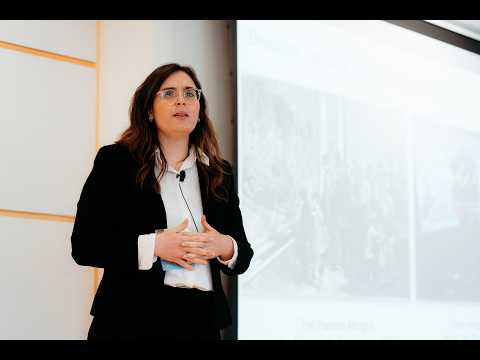
This research examines how nineteenth-century literature helped shape modern attitudes toward disability. By analysing French realist novels and their connections to public spectacles such as morgues and wax museums, it argues that bodily difference was transformed into entertainment, influencing how contemporary audiences perceive disability and human value.
2026
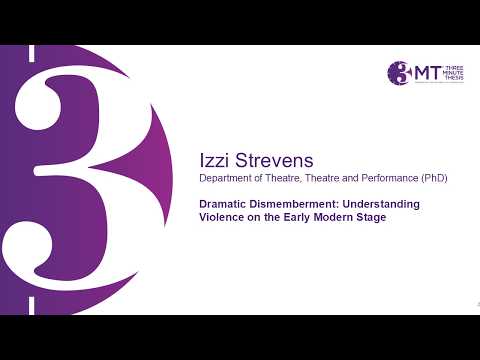
This research examines dismemberment in early modern drama to explore how cultural systems shape human responses to violence. By analysing plays such as Titus Andronicus, the project argues that fear and disgust are historically conditioned rather than purely instinctive, revealing how societies teach audiences to interpret violent imagery across different historical periods
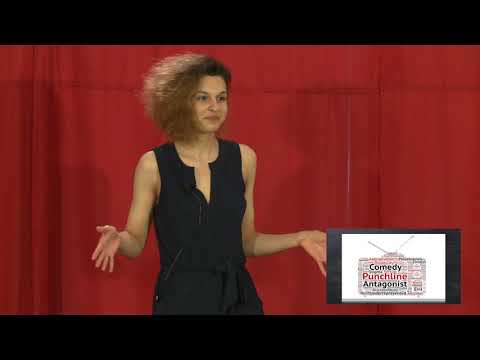
This research examines misrepresentation of autistic individuals in media, particularly when non-autistic actors portray autistic roles. It highlights how such portrayals reinforce stereotypes and contribute to social harm. Using interdisciplinary methods and audience analysis, the study advocates for authentic inclusion of autistic voices in media production to improve representation and reduce ableism.
2026
This research examines how early modern German societies debated human identity through cases of atypical bodies. Religious, legal, and medical perspectives intersected to define personhood and normality. These historical debates shaped rights and inclusion, offering insights into contemporary bioethics and how societies determine what it means to be human.
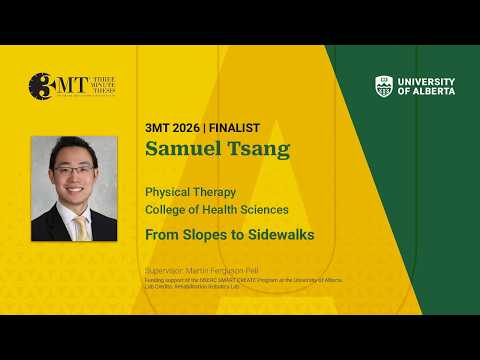
his research develops a classification system for wheelchair navigation based on surface difficulty, inspired by ski trail ratings. By measuring vibration and effort across urban environments, it aims to provide users with actionable information to support safer route choices, reduce injury risk, and improve independence and accessibility in everyday mobility.
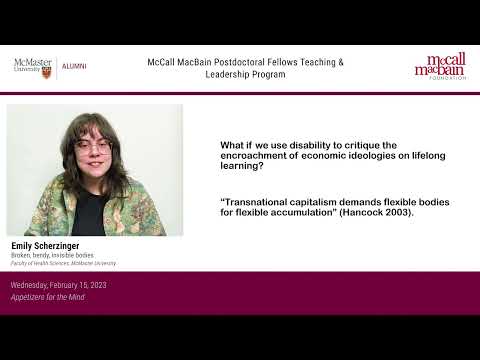
This talk critiques Western lifelong learning policies through a disability justice lens, arguing that education has been shaped by individualism and market value rather than collective care and inclusion. Drawing on personal experience with hypermobility, it reframes disability as a source of interdependence, imagination, and new educational possibilities.
This research centers the voices of learning-disabled young people during the transition from school to adulthood. Using inclusive communication tools, it shows that when young people are directly asked about their goals, meaningful pathways emerge—challenging assumptions, reducing exclusion, and ensuring every future begins with choice.
This research explores masking, unmasking, and disclosure among autistic individuals. Through interviews and surveys, the study shows masking is exhausting and harmful, while unmasking and disclosure can reduce stress and foster authenticity—but only in supportive environments. Findings highlight the need for societal change to genuinely accept autistic people and their differences.

This research supports disabled authors writing children’s fiction by examining how to balance authenticity, responsibility, and wellbeing. Through writing a novel with disabled protagonists and interviewing other writers, the project develops techniques to help disabled authors navigate representation, protect their privacy, and promote accurate, empowering portrayals of disability.