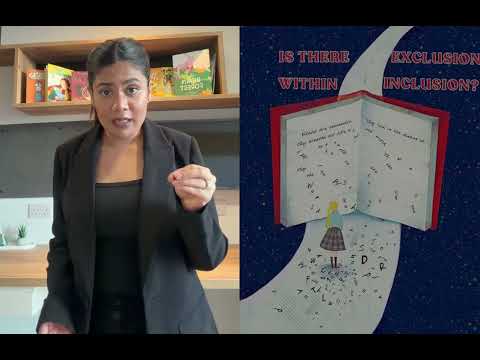
This research explores how children's literature represents neurodiversity and how those representations shape children's sense of identity and inclusion. By gathering perspectives from readers and educators, the project aims to develop a reading programme featuring authentic, diverse stories so every child can see themselves reflected in literature.
2025
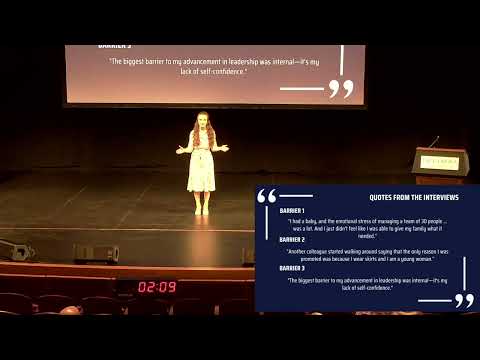
This research investigates barriers preventing women from advancing into leadership roles. Interviews reveal three key obstacles: family responsibilities, persistent gender bias, and internalized expectations of barriers. The study highlights how systemic challenges shape self-doubt and calls for collective responsibility in removing structural inequalities to unlock women’s leadership potential.
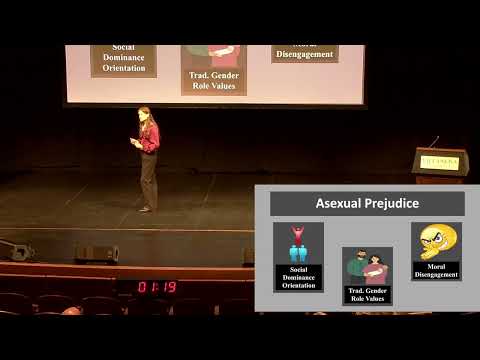
This study examines prejudice toward asexual individuals by analyzing links with social dominance orientation, traditional gender roles, and moral disengagement. Surveying 300 participants, it finds all three traits predict higher prejudice. The research advances understanding of bias mechanisms and informs future interventions to reduce discrimination against asexual individuals.
2025
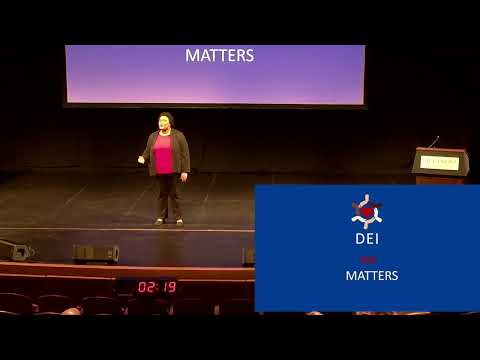
This study explores the challenges facing DEI practitioners amid rising political and organizational pressures. Interviews reveal widespread frustration but continued commitment, alongside burnout and lack of support. Findings highlight the need for standardized training, stronger professional communities, and collective engagement to sustain DEI efforts and ensure inclusive, supportive workplaces.
2025
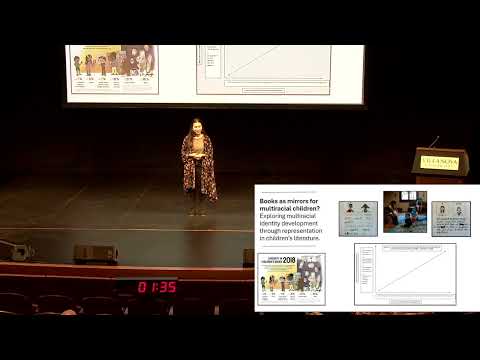
This study examines how multiracial representation in children’s literature influences identity development. Through a library reading program, observational, visual, and narrative data showed that multiracial children engage more deeply and express stronger identity integration when represented. Findings highlight the importance of inclusive storytelling in fostering belonging and supporting healthy racial identity formation.
2022
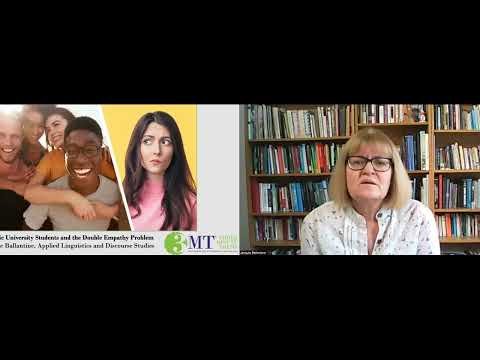
This research explores autistic university students’ experiences navigating sensory challenges and communication differences on campus. It highlights the “double empathy problem,” where misunderstandings occur between autistic and non-autistic individuals. Using applied linguistics, the study argues that mutual understanding is essential to ensure equitable access to education and improve student well-being and inclusion.

This research examines misrepresentation of autistic individuals in media, particularly when non-autistic actors portray autistic roles. It highlights how such portrayals reinforce stereotypes and contribute to social harm. Using interdisciplinary methods and audience analysis, the study advocates for authentic inclusion of autistic voices in media production to improve representation and reduce ableism.