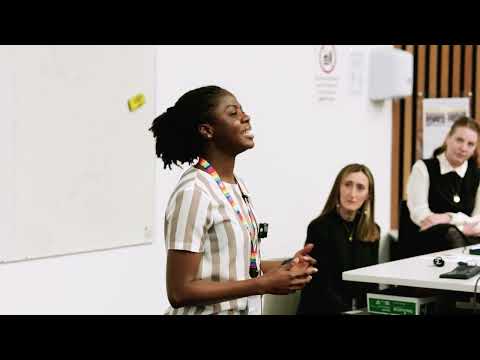
This thesis uses theatrical horror to confront the “superwoman schema” that discourages Black women from seeking mental health care. By breaking theatrical contracts to induce unpredictability and empathy, the work mirrors the societal rupture Black women face when pursuing therapy, motivating audiences toward understanding and systemic change.

Digital health expanded during COVID-19, but many services exclude people seeking support for alcohol and drug use. This research uses inclusive design, interviews, and workshops with people with lived experience to identify barriers, reduce stigma, improve usability, and guide industry toward creating accessible, equitable digital care for all.

Older adults with severe joint pain often consider cannabis, yet receive little guidance from physicians who lack reliable evidence. This silence pushes patients toward unregulated products and poor medical decisions. The research develops a user-friendly cannabis decision-support tool to empower patients, support clinicians, and enable informed, safe conversations about cannabis use.

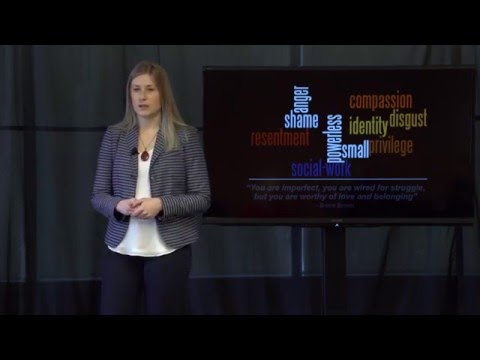
This research explores masking, unmasking, and disclosure among autistic individuals. Through interviews and surveys, the study shows masking is exhausting and harmful, while unmasking and disclosure can reduce stress and foster authenticity—but only in supportive environments. Findings highlight the need for societal change to genuinely accept autistic people and their differences.

This research explores the hidden lives of Mills & Boon’s mid-20th-century women authors using 70,000 archival letters. Despite selling millions of books, they faced stigma, wrote under pseudonyms, and often apologised for their work. The project reveals their cultural impact and repositions them as historically significant contributors to post-war society.