
This research develops an affordable, rapid genetic testing system to personalize antidepressant treatment. By detecting DNA mutations that affect drug metabolism, the technology helps doctors prescribe the right medication for each patient. The goal is to reduce ineffective treatments and improve mental health care—especially for veterans struggling with PTSD and depression.
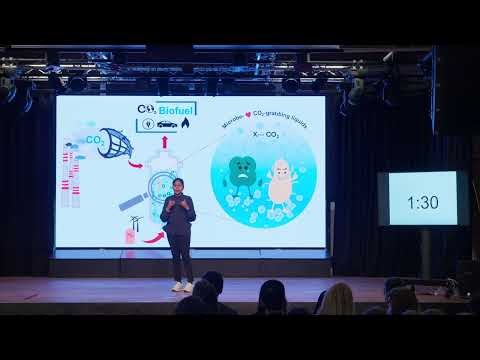
Current CO₂ capture methods are inefficient and harmful to microbes used for biofuel production. This research studies how CO₂-capturing liquids damage fuel-producing microbes and identifies tolerant strains. By understanding microbial responses at the genetic level, it aims to design microbe-friendly capture systems that convert carbon dioxide into useful fuels.

2025
IBD patients have weakened gut microbes, leaving them with chronic inflammation and limited treatment options. This research engineers probiotic yeast with anchors, drug-carrying “backpacks,” and reprogrammed DNA to deliver targeted therapeutics safely and cheaply. Early results show these modified microbes could become effective, low-side-effect treatments for IBD and other gut diseases.
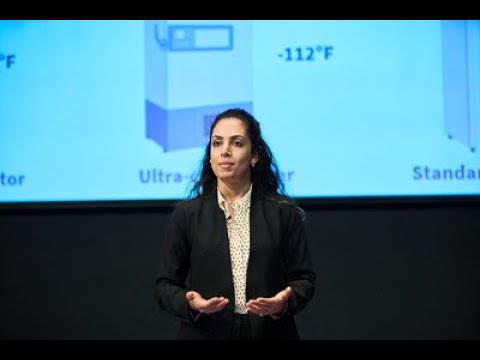
This research focuses on strengthening fragile mRNA molecules to create vaccines that are more stable, effective, and easier to distribute. By modifying mRNA structure to resist degradation, vaccines could be stored at higher temperatures and maintain potency, expanding access—especially in low-resource regions—and improving global readiness for future pandemics.
Antifreeze chemicals are toxic. This research tests new ice-recrystallization inhibitors that enter embryos easily, cause minimal developmental effects, and prevent damaging ice-crystal growth. These findings could enable long-term genetic preservation and support future ecosystem restoration.

Type 1 diabetes destroys insulin-producing cells, leaving patients dependent on lifelong injections. Islet transplants could provide freedom, but most cells die quickly. This research uses drug-loaded microparticles that protect transplanted islets, boosting survival, insulin production, and diabetes reversal. The approach could cut costs, reduce donor needs, and transform treatment for multiple diseases.
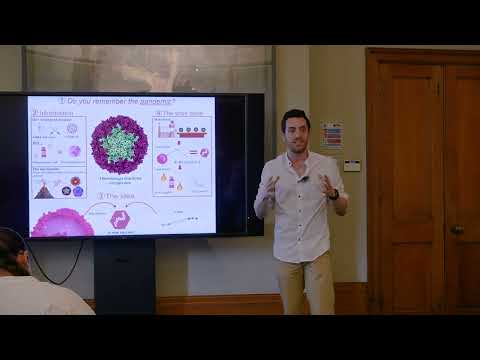
This research aims to solve the major weakness of mRNA vaccines—the need for constant cold storage—by packaging them inside ultra-stable protein “boxes” called encapsulins. These naturally robust containers protect mRNA in extreme environments. A working prototype now exists, offering the potential for globally distributable, freezer-free vaccines that remain effective anywhere.

This research reinvents wastewater treatment by adapting circulating fluidized bed reactors—normally used in petrochemicals—to grow bacteria on small surfaces and efficiently remove waste. Mobile, trailer-mounted reactors provide high-performance treatment without large facilities, making them ideal for dense cities, remote communities, and overburdened systems.

This research tests the safety of a new hypertension drug designed for patients who don’t respond to current medications. Through four phases of pre-clinical toxicology studies in cells and mice, the drug showed no major toxicity and effectively lowered blood pressure, supporting its progression toward future human clinical trials.
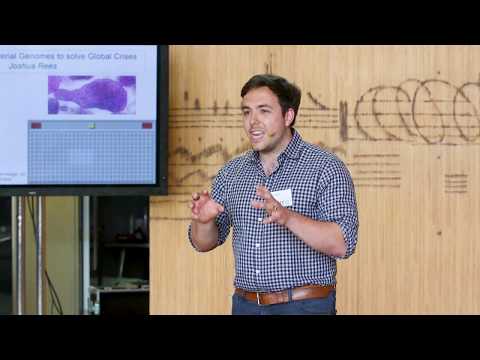
This research develops a Minesweeper-inspired algorithm to identify and remove non-essential genes from Mycoplasma genitalium, the smallest known self-replicating organism. The algorithm eliminated 35% of the genome in simulation, offering a path to record-breaking minimal cells and improving bacterial strains used to produce antibiotics, vaccines, fuels, and climate-solution technologies.