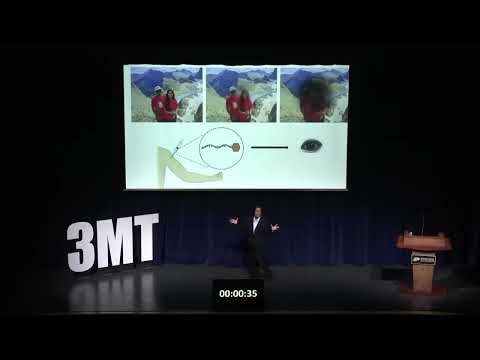
This research develops a targeted anti-VEGF therapy for wet age-related macular degeneration that can be injected under the skin rather than directly into the eye. In animal studies, the drug successfully reached the eye and reduced abnormal blood vessel growth, offering a safer, cheaper, and more convenient treatment for preventing blindness.

This research investigates whether the diabetes drug dapagliflozin (DAPA) can be repurposed to treat metabolic dysfunction-associated steatotic liver disease (MASLD). Using laboratory models, it examines fat accumulation and NHE1 ion channel function, aiming to develop a cost-effective treatment for two closely linked metabolic diseases with one existing medicine.

This thesis examines cytokine release storm, where the immune system becomes dangerously overactive. Using rat models, mathematical modelling, science and coding, she maps how corticosteroids move through organs and control inflammation. The goal is to optimise treatment for CRS during cancer therapy, COVID or future pandemics.

2026
This research investigates whether weight loss from the GLP-1 drug semaglutide includes loss of muscle mass. Using an obesity mouse model and direct muscle measurements, the study found significant muscle loss in females but not males. The findings highlight important sex differences and the need to evaluate body composition, not just weight loss.
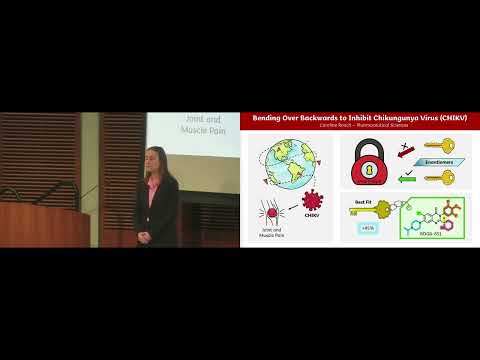
This research develops small-molecule treatments for chikungunya virus using a lock-and-key approach targeting viral proteins. A key challenge—molecular orientation (enantiomers)—was addressed with a new synthesis method producing over 95% effective molecules. The optimized compound, BDGR-651, shows promise as a future antiviral treatment for this debilitating disease.

This research examines how combined THC and alcohol use alters neural communication and increases alcohol consumption. Using animal models, the study shows that co-use disrupts the glutamate system, heightening motivation to drink. Regulating glutamate with the compound CDPPB reduces alcohol intake, highlighting glutamate as a promising therapeutic target for addictio

Presbyopia, the age-related loss of near vision, occurs when the eye’s crystalline lens stiffens. A known lens-softening drug, Bistatin, affects too many eye structures to be safe. This research creates a targeted antibody–drug conjugate that delivers Bistatin only to the lens, restoring flexibility and offering a potential non-surgical treatment.
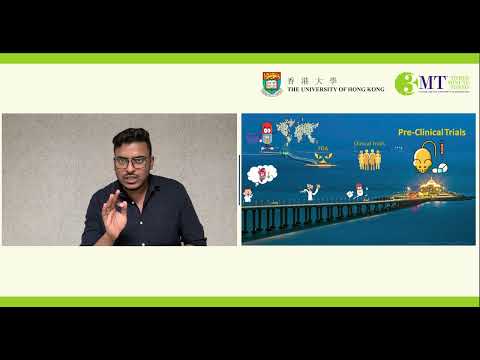
This research tests the safety of a new hypertension drug designed for patients who don’t respond to current medications. Through four phases of pre-clinical toxicology studies in cells and mice, the drug showed no major toxicity and effectively lowered blood pressure, supporting its progression toward future human clinical trials.