This research develops methods to insert radioactive carbon isotopes into drug molecules, allowing scientists to track how medicines move, transform, and are eliminated in the body. By using catalysts to precisely label drugs, researchers can better understand drug behaviour and accelerate the development of safer, more effective medicines.
This research investigates why blocking an early asthma “alarmin” signal often fails as a treatment. Using mouse models, it reveals that environmental differences—particularly the microbiome—can bypass this signal and still drive asthma. Understanding microbiome health may help predict treatment success and lead to more personalized, effective asthma therapies.
This research investigates Large Granular Lymphocyte Leukemia, where protective T cells become cancerous. The project explores how DNA methylation silences normal T-cell function and tests drugs that reverse this process. By removing harmful chemical modifications, the goal is to restore immune cells to their healthy, protective “superhero” role.
This research improves preclinical testing of SERDs (selective estrogen receptor degraders) for estrogen receptor–positive breast cancer by modeling the tumor environment and treatment resistance. By co-culturing cancer and fat cells and applying single-cell RNA sequencing, it identifies resistance mechanisms to support more effective drug development for patients.
The talk describes using AI language models to decipher the hidden “languages” within millions of natural protein sequences. By learning protein vocabulary, syntax, and grammar, researchers can design new molecules that fight cancer, degrade plastics, capture carbon, and expand biology beyond nature’s rules—advancing medicine, sustainability, and molecular engineering.
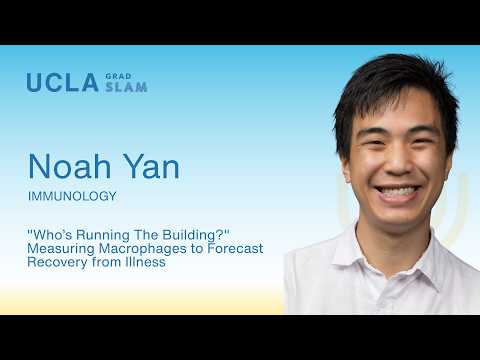
This research tests the safety of a new hypertension drug designed for patients who don’t respond to current medications. Through four phases of pre-clinical toxicology studies in cells and mice, the drug showed no major toxicity and effectively lowered blood pressure, supporting its progression toward future human clinical trials.