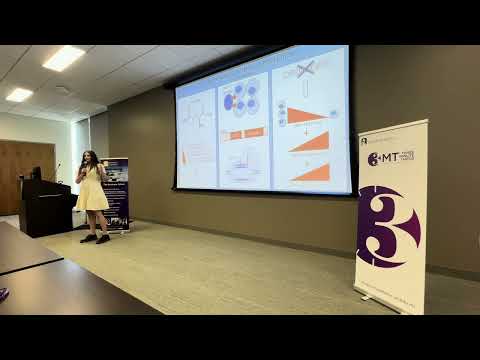
This research investigates how glutamine-rich regions within the LAG-3 protein influence Notch signaling, a critical pathway for cell communication and development. Using CRISPR gene editing, the study found that removing glutamine repeats alters stem cell behavior and cell-cycle progression, providing insights relevant to cancer, Alzheimer’s disease, and future therapies.
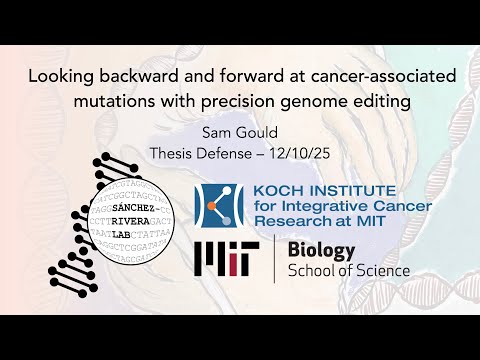
This PhD thesis defence uses high-throughput CRISPR variant engineering to study how cancer mutations drive tumour behaviour. A prime-editing sensor enables efficient functional screening of ~1,000 TP53 patient variants, revealing effects missed by cDNA overexpression. Directed base-editing screens map resistance mutations across CDKs and drug modalities, predicting clinically relevant therapy response.

This research investigates HMGN proteins, which organize the genome and help cells access the correct genes. By mapping their activity and removing them with CRISPR, the study shows that HMGNs act as DNA “librarians.” Their dysfunction leads to gene misregulation linked to many diseases.

2025
A hidden evolutionary arms race unfolds between bacteria and the viruses that attack them. By understanding how bacteria cut and rearrange DNA through recombination, researchers can harness these mechanisms for precise gene editing. This work could enable powerful new treatments for genetic diseases, helping patients like the first personalised-therapy recipient, KJ.