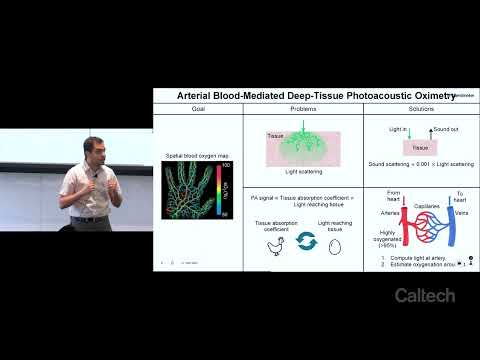
Liver cancer alters how cells use sugar long before tumors are visible. This research makes sugar detectable by MRI, allowing real-time imaging of cancer metabolism inside the liver. By revealing how tumors process energy differently from healthy tissue, the technique could enable earlier diagnosis, monitor treatment response, and improve patient survival.

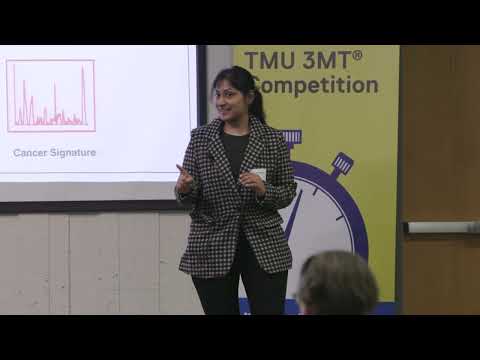
This research uses immune cell “molecular fingerprints” to rapidly detect cancer from a single drop of blood. By combining nanosensors and machine learning, subtle changes in B cells can be identified within minutes. The approach offers fast, accurate, and low-cost cancer detection with the potential to significantly improve early diagnosis and survival.

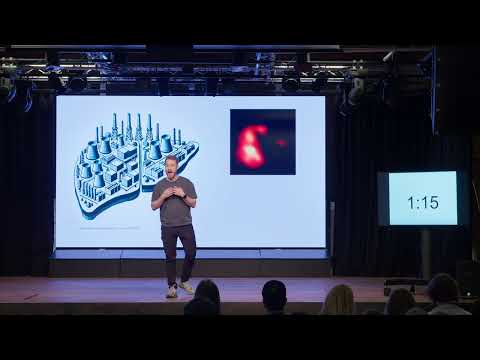
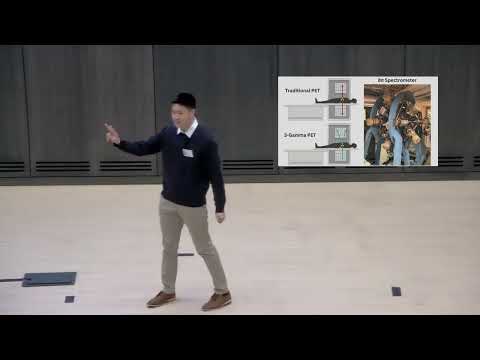
This research explores “three-gamma PET,” a method that uses rare but information-rich gamma-ray events normally ignored by traditional PET imaging. By capturing and reconstructing these events with a custom 8π spectrometer, the project shows that three-gamma PET could improve accuracy, reduce scan time, and lower radiation dose, offering better diagnostics for cancer patients.

Mel-AI is an artificial intelligence system designed to assist pathologists in distinguishing melanoma from benign moles. By training computer-vision models on 520 cases, the system reached 96% accuracy and interpretable outputs. It offers scalable, objective quality assurance, reducing misdiagnosis risk and improving melanoma detection in high-incidence countries like Australia.