Neurodegenerative diseases like Alzheimer’s and Parkinson’s are closely linked to abnormal dopamine levels but are diagnosed too late. This research develops a tiny electrochemical brain sensor that selectively detects dopamine in real time. Such technology could enable earlier diagnosis, better monitoring, and improved treatment of neurological disorders.

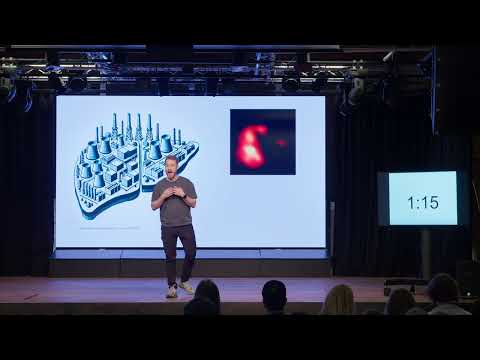
Liver cancer alters how cells use sugar long before tumors are visible. This research makes sugar detectable by MRI, allowing real-time imaging of cancer metabolism inside the liver. By revealing how tumors process energy differently from healthy tissue, the technique could enable earlier diagnosis, monitor treatment response, and improve patient survival.

This research uses immune cell “molecular fingerprints” to rapidly detect cancer from a single drop of blood. By combining nanosensors and machine learning, subtle changes in B cells can be identified within minutes. The approach offers fast, accurate, and low-cost cancer detection with the potential to significantly improve early diagnosis and survival.

This research develops a novel MRI-based method to detect blood–brain barrier leakage associated with stroke. By comparing pre- and post-contrast brain images, the approach enables early detection, monitoring of treatment response, and risk prediction, offering new possibilities for stroke prevention and improved patient outcomes

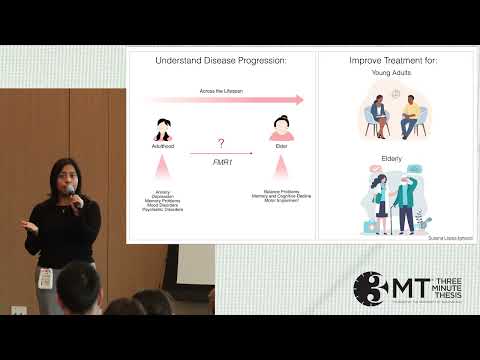
Psychiatric symptoms often precede neurodegenerative diseases, but the biological link remains unclear. This research examines the FMR1 gene using postmortem brain tissue to uncover shared molecular mechanisms, aiming to predict neurodegeneration earlier, improve treatment strategies, and reframe psychiatric symptoms as potential early warning signs.