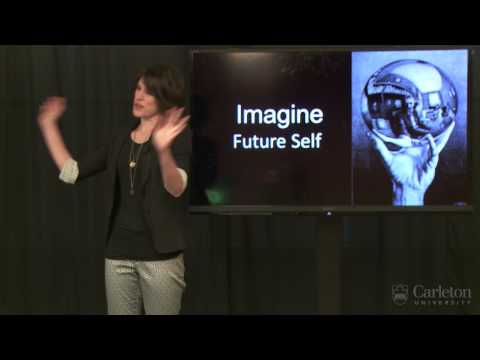
This research explores procrastination by examining how people relate to their future selves. Using guided mental imagery exercises, it aims to strengthen emotional connection with the future self. Improved connection may reduce procrastination, helping individuals make better decisions today to achieve long-term goals and enhance overall well-being.


This research explores how early-life stress alters reward motivation differently in males and females. By identifying sex-specific brain circuits and wiring patterns shaped by early stress, it reveals why individuals respond differently to reward and highlights the need for personalized approaches to mental health treatment.

This research examines why people choose to engage with disturbing stories of strangers’ suffering, despite emotional discomfort. Motivations include curiosity, empathy, self-understanding, and seeking awareness of the world. Understanding these reasons may help promote greater social empathy, awareness of urgent struggles, and engagement with issues requiring collective action.