This research examines how maternal self-efficacy develops during matrescence, the transition to motherhood. Through interviews with new mothers and analysis of the SPACE programme, it shows that confidence in parenting grows not from perfection but from supportive environments, highlighting the need to rebuild community support for new mothers.

2026
This research investigates whether teenagers miss important socio-emotional development when they stop reading fiction. Using a 2.4 million-word corpus compiled from books read by nearly 700 adolescents, it found rich emotional vocabulary and physical descriptions of emotions that may strengthen emotion recognition, emotional regulation, empathy, and adolescent mental health.

2026
This research explores why former human traffickers in Indonesia stopped offending. Through interviews with ten ex-traffickers, the study found that marriage and parenthood often triggered moral transformation by creating empathy and shame. The findings suggest trafficking prevention should focus not only on punishment, but also on strengthening families and social bonds.

This research examines truth in the age of “post-truth,” linking ancient concepts of parrhesia to modern storytelling. Using Blue Is the Warmest Color, it shows how fiction fosters empathy and challenges power structures. The work argues that literature remains a vital force for social change, justice, and understanding marginalized experiences.
AI can improve efficiency in humanitarian aid but risks undermining its moral foundation. Research shows donors perceive AI as lacking empathy, leading to reduced engagement and donations. The key challenge is balancing technological efficiency with human connection, ensuring that innovation supports rather than erodes the trust and compassion that sustain aid systems.

This study demonstrates a strong relationship between social skills and academic performance among university students. Surveying 107 students, it finds that empathy, assertiveness, teamwork, and problem-solving significantly support academic success. Dynamic, technology-enhanced, and democratic teaching environments foster both intellectual and emotional development.
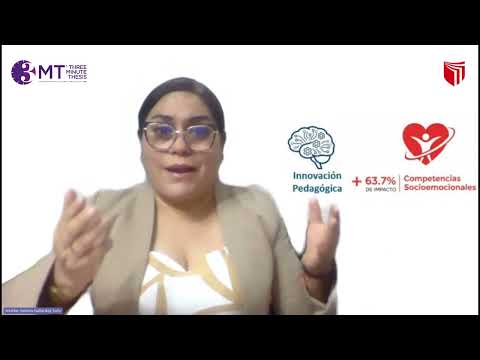
This research shows that pedagogical innovation significantly enhances university students’ socio-emotional development. Surveying 156 engineering students, it finds that active, inclusive, and technology-enhanced teaching explains nearly two-thirds of emotional skill development. Human-centered innovation deepens learning and fosters empathy, resilience, and well-being.

This research examines why people choose to engage with disturbing stories of strangers’ suffering, despite emotional discomfort. Motivations include curiosity, empathy, self-understanding, and seeking awareness of the world. Understanding these reasons may help promote greater social empathy, awareness of urgent struggles, and engagement with issues requiring collective action.